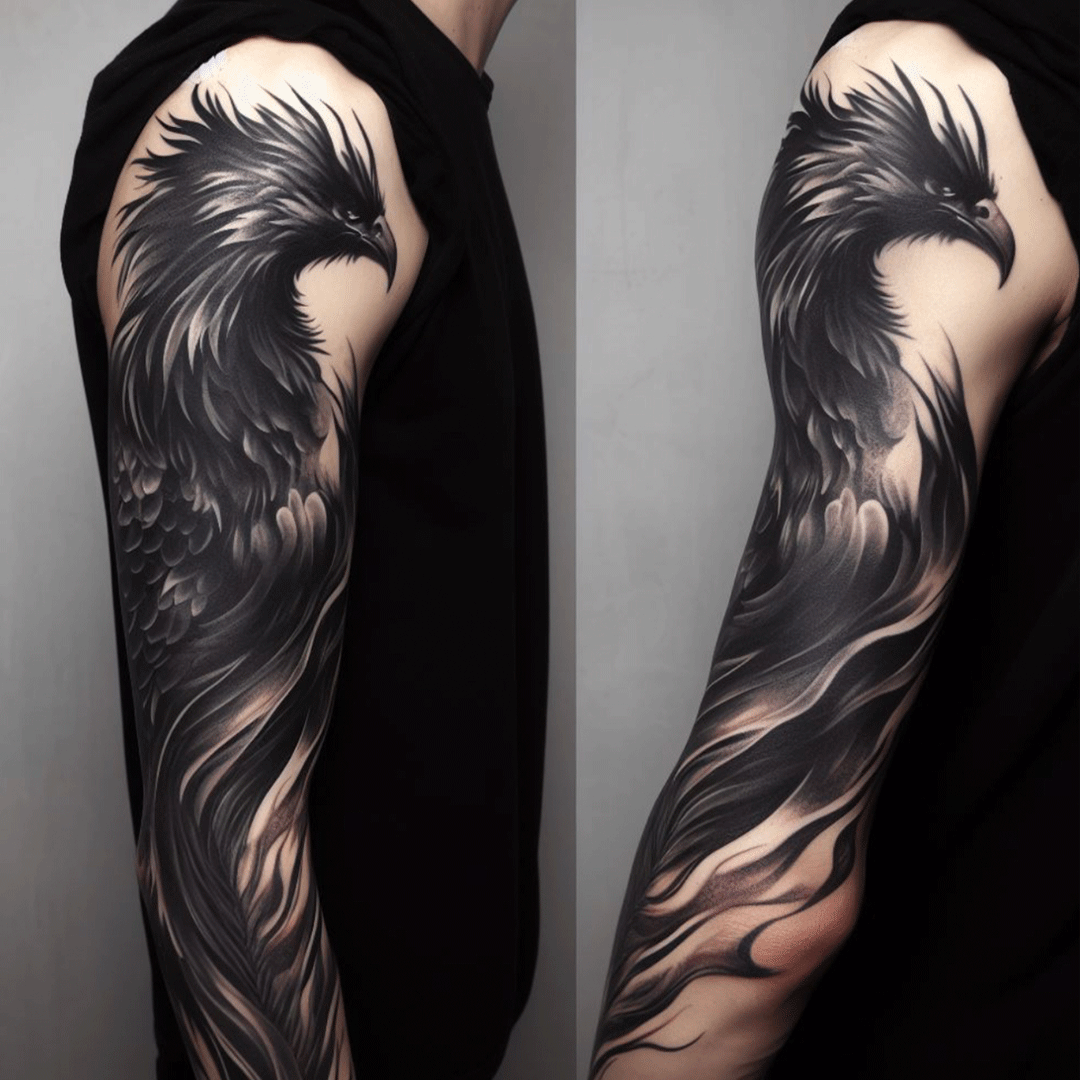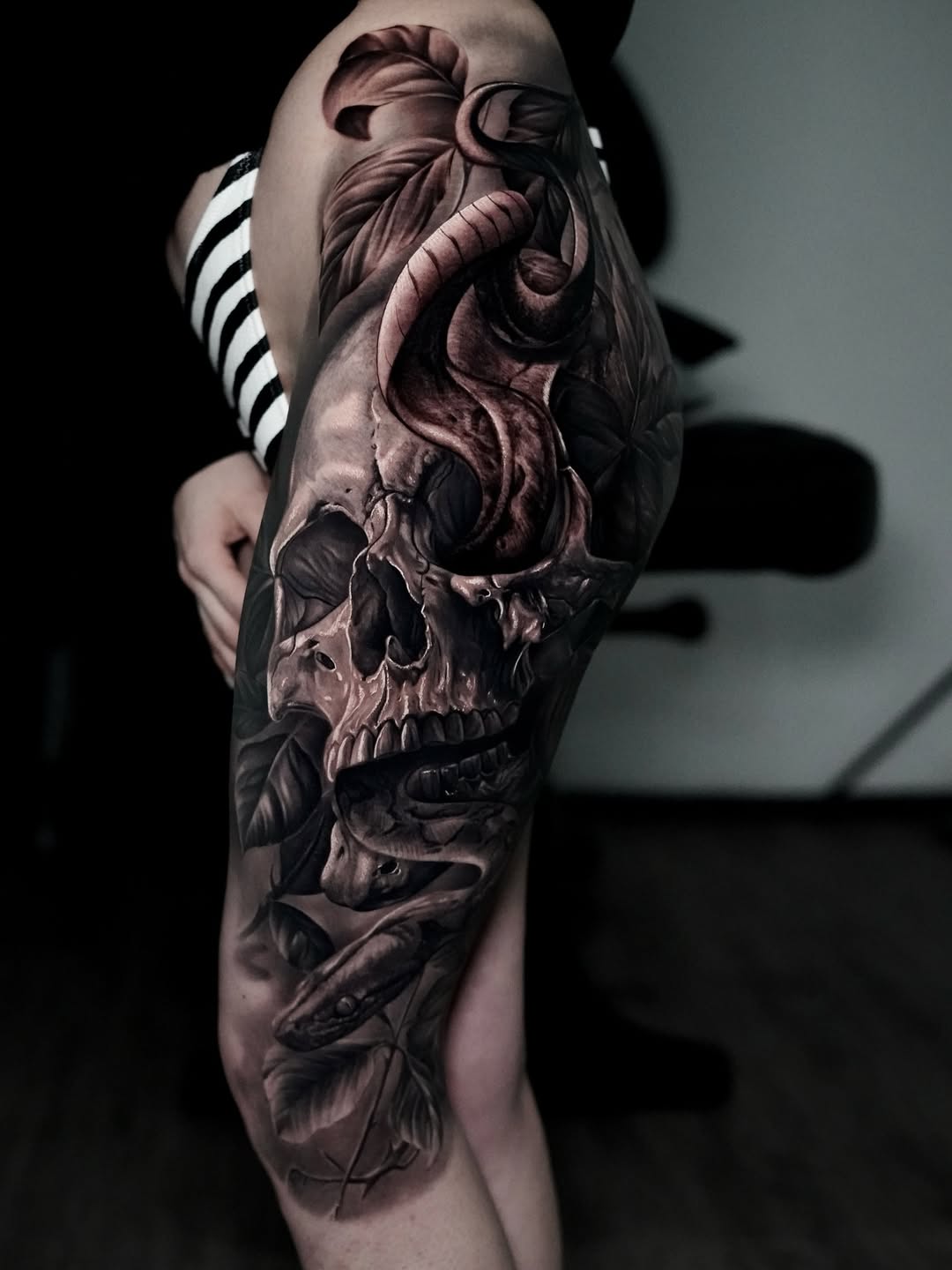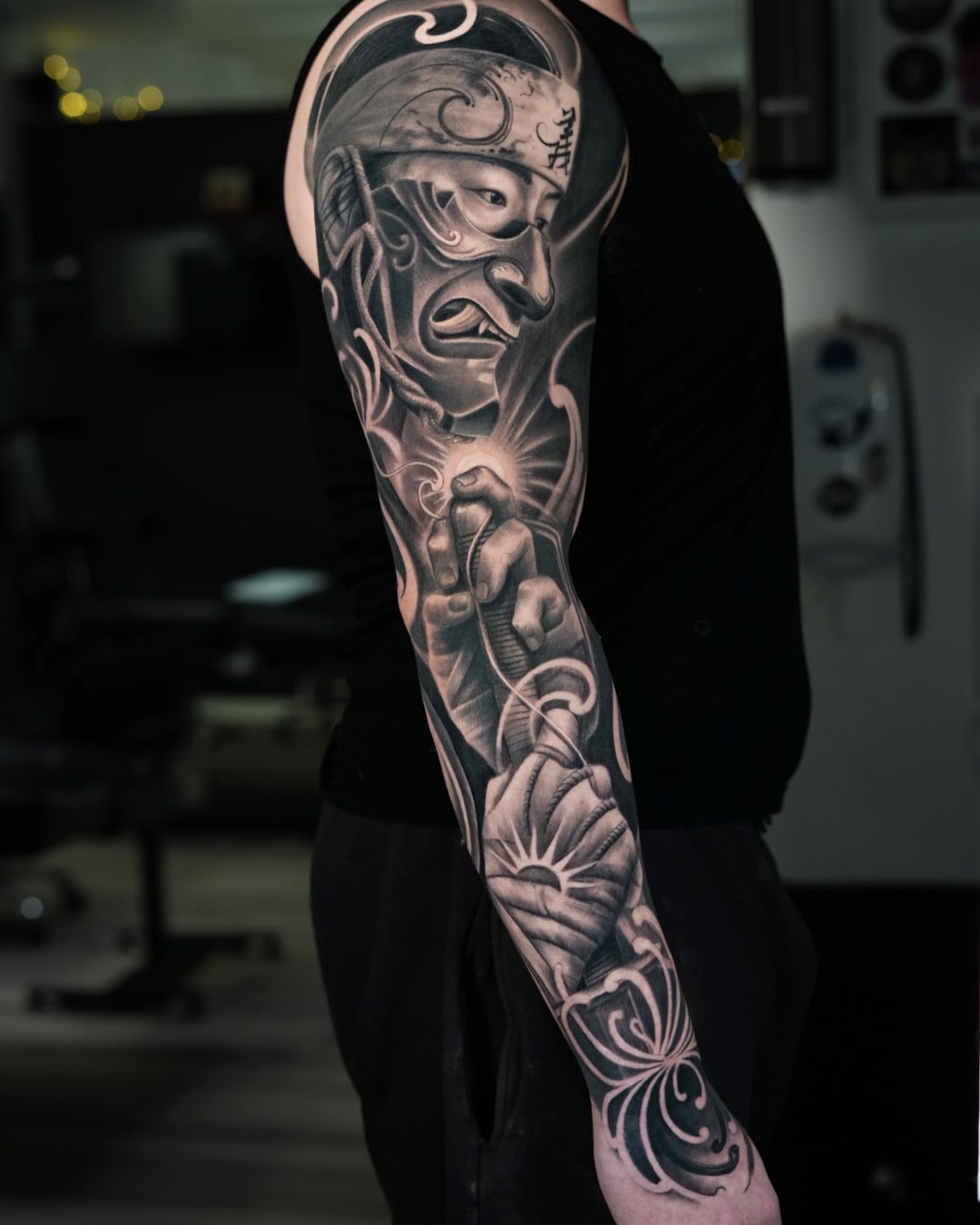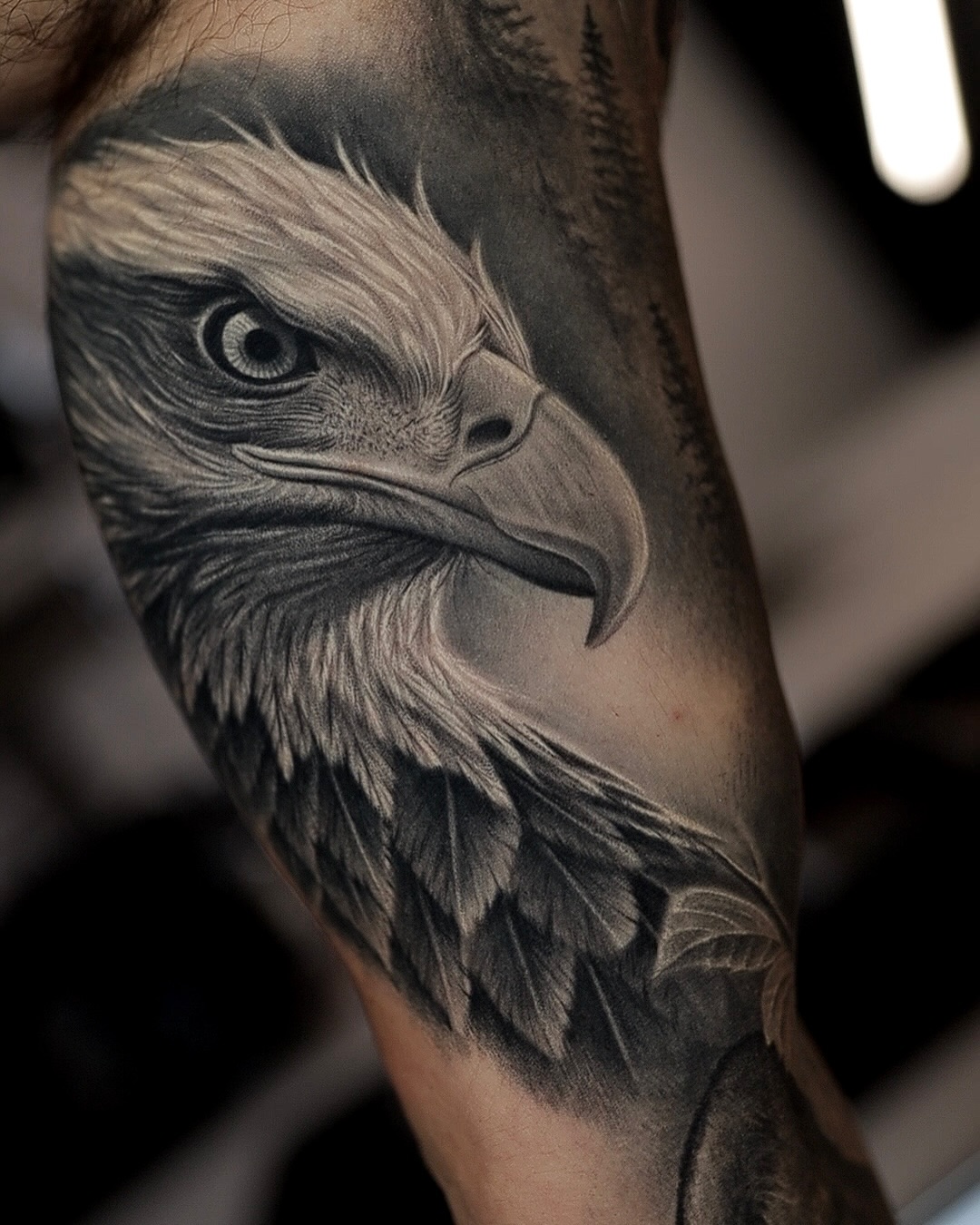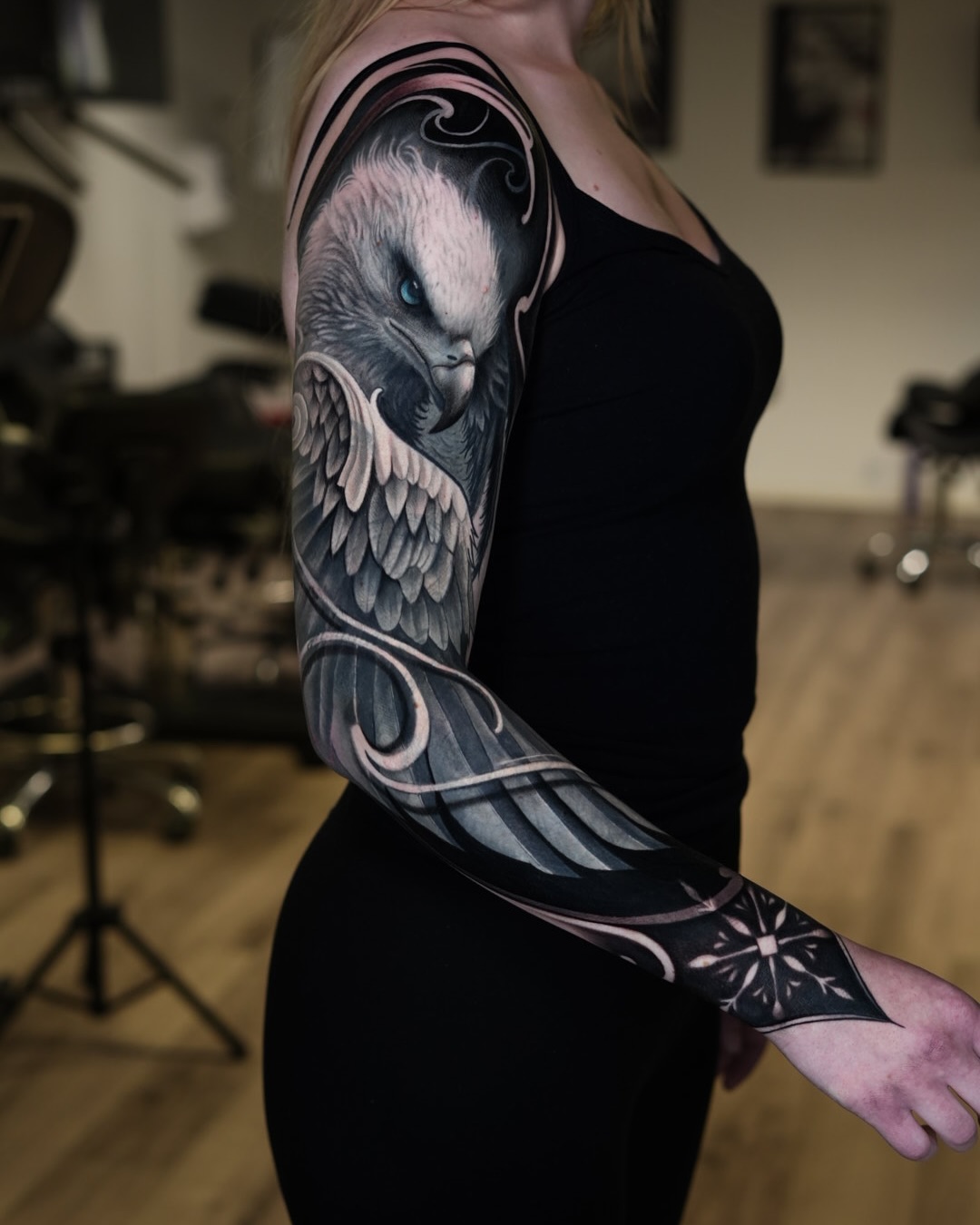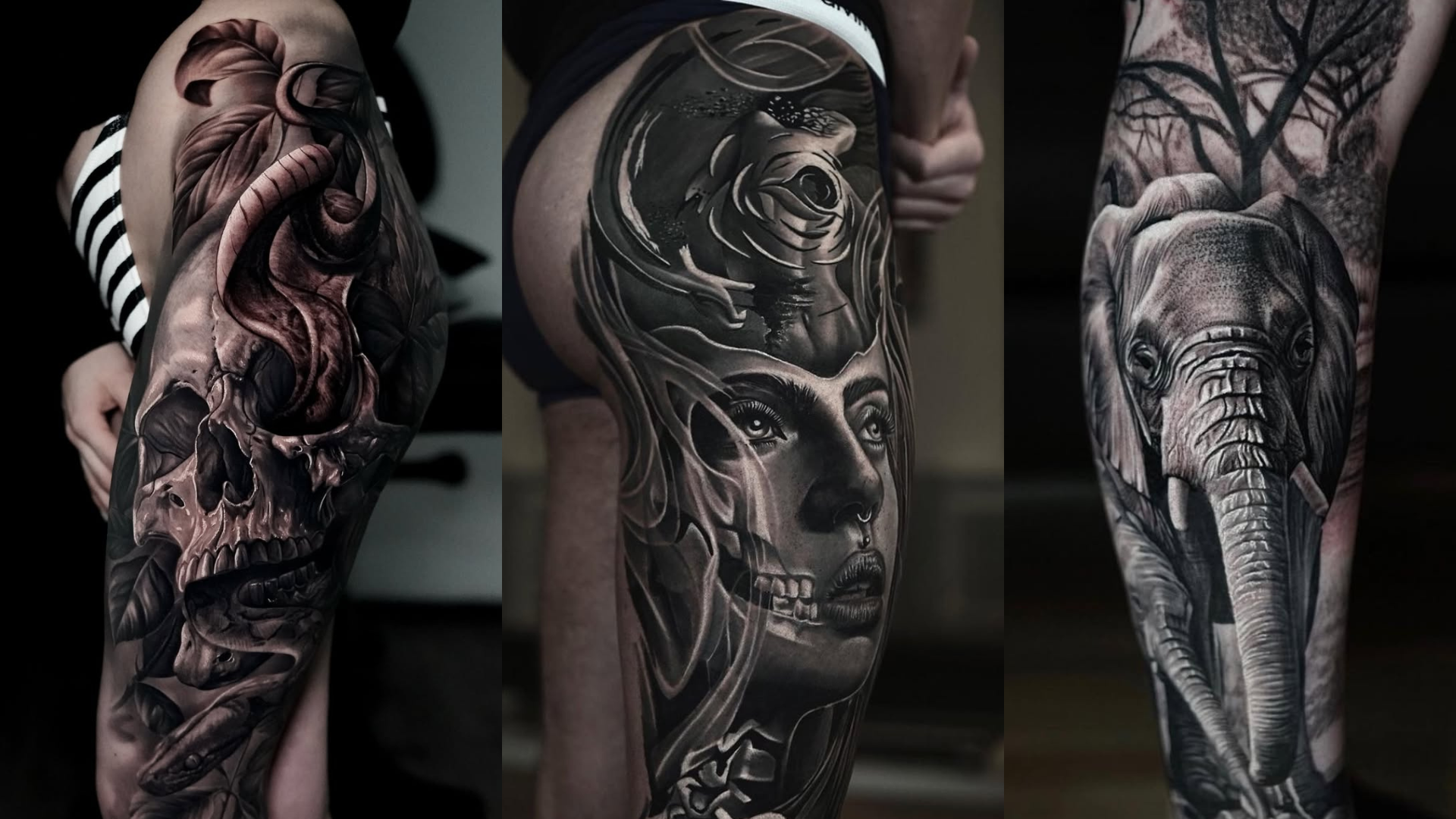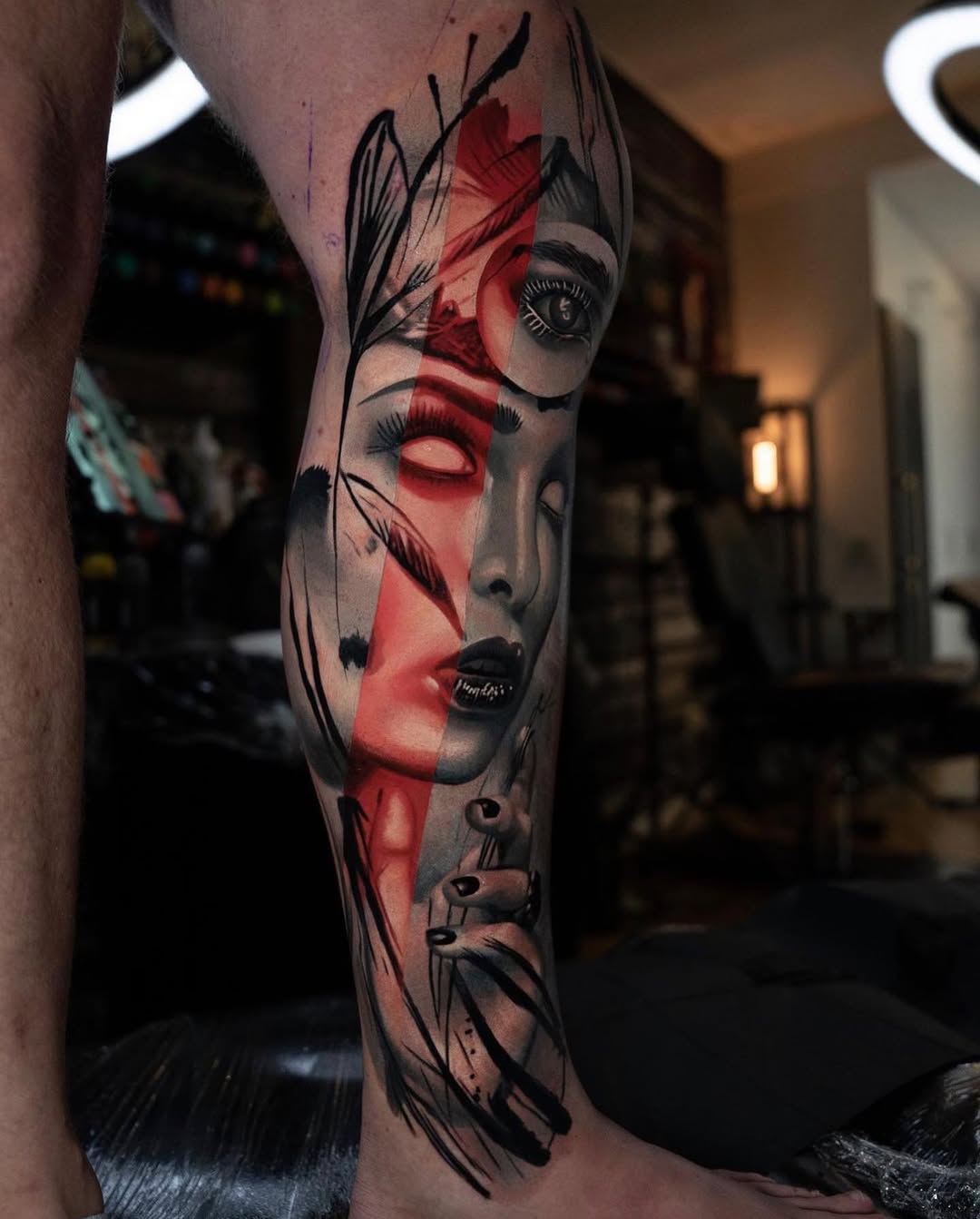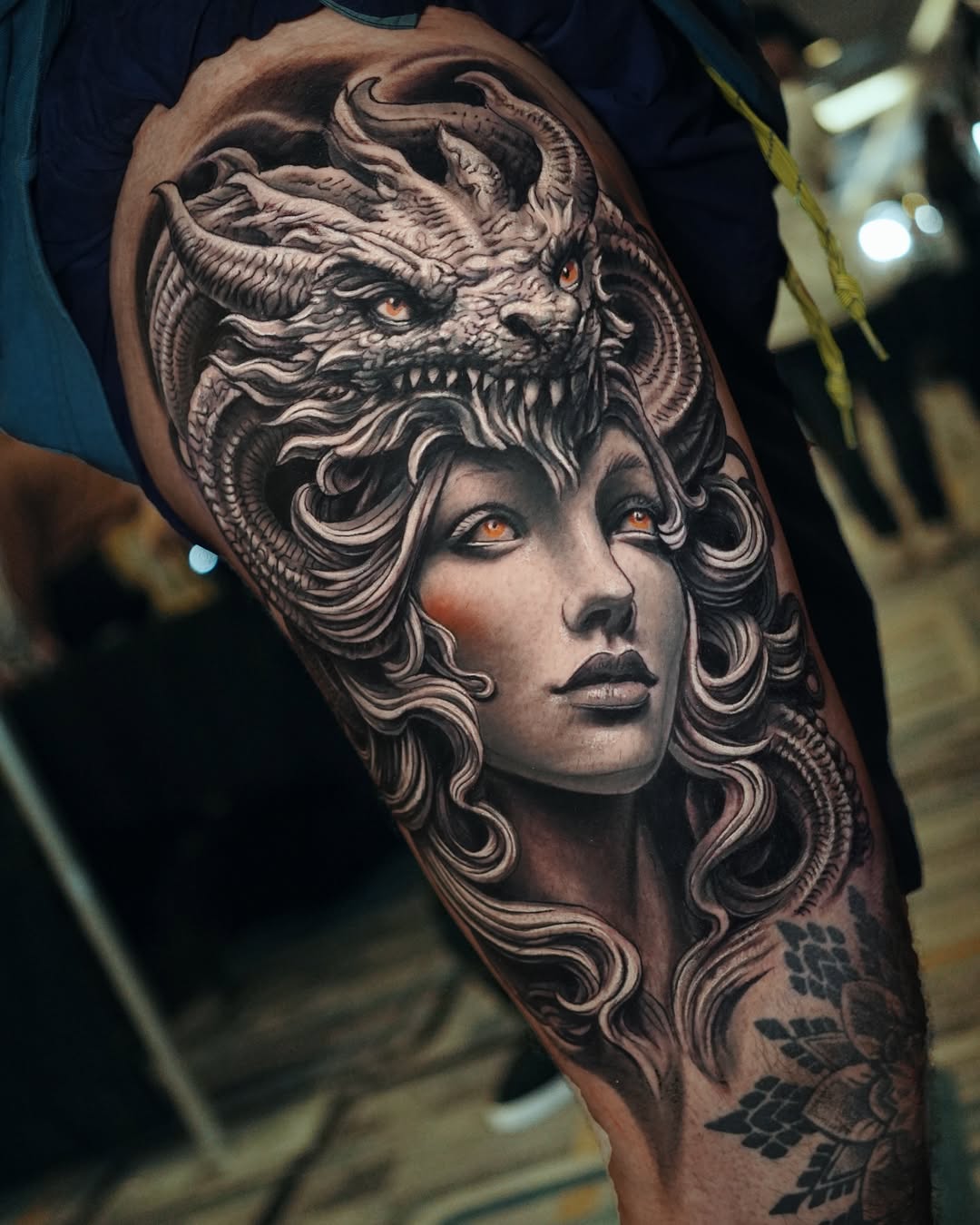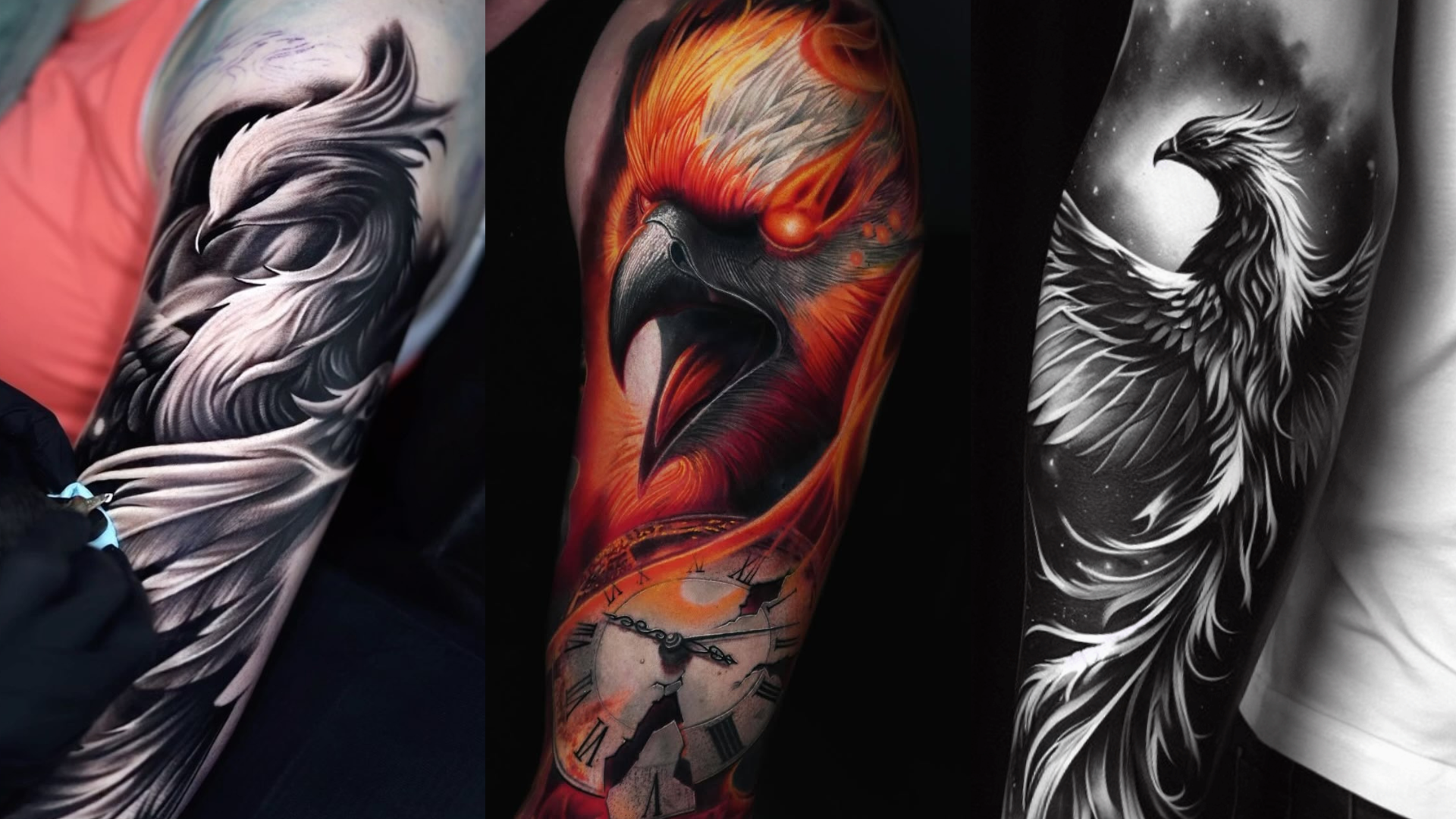
A phoenix tattoo isn’t just a beautiful bird—it’s a story. Most people choose it for one reason: to mark a turning point.
Quick meaning (in 5 bullets):
A phoenix tattoo most often symbolizes rebirth—starting over stronger after hardship.
“Rising from the ashes” represents transformation: leaving an old chapter behind and stepping into a new one.
Flames/embers emphasize resilience and purification; ash/smoke adds the “before → after” storyline.
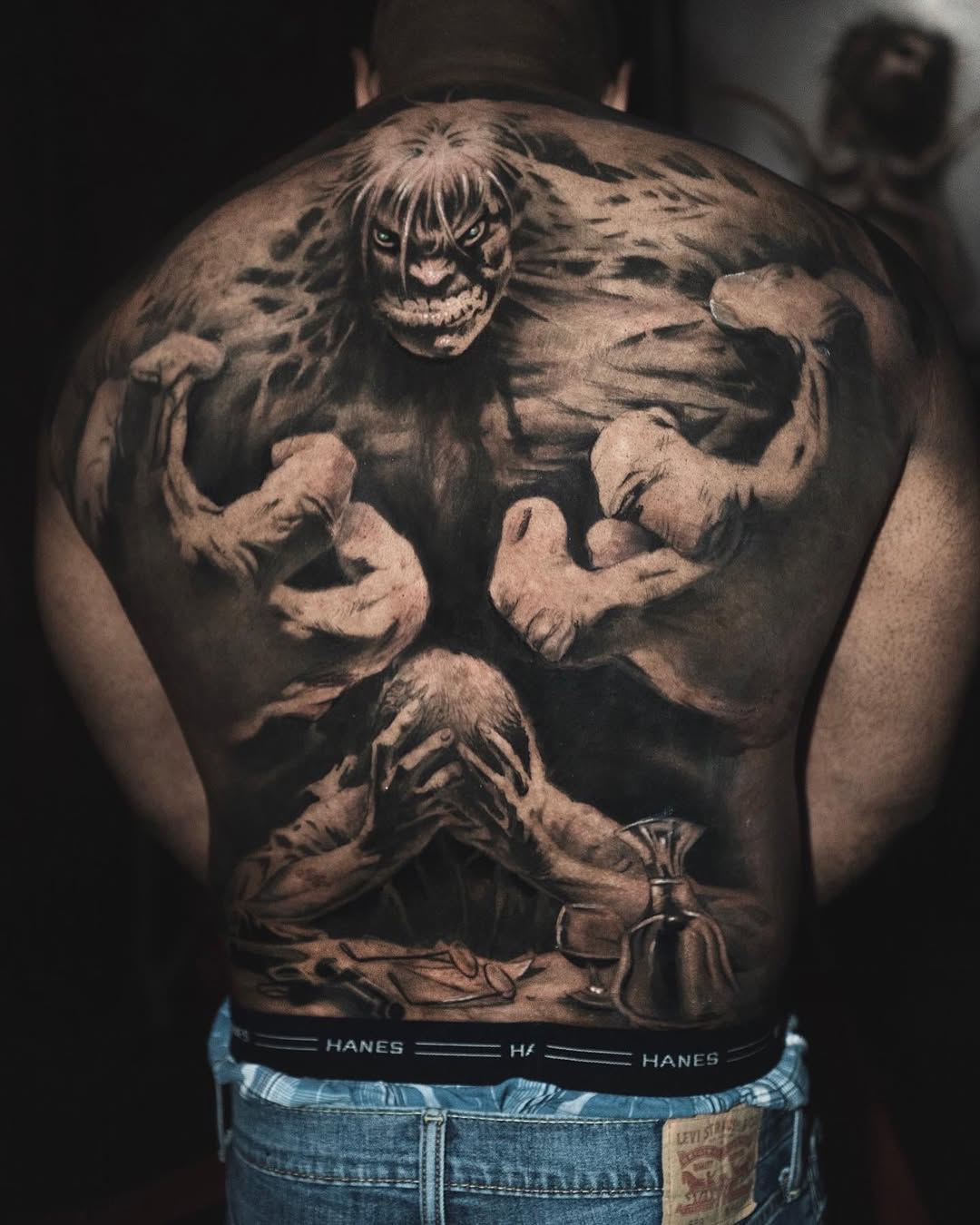
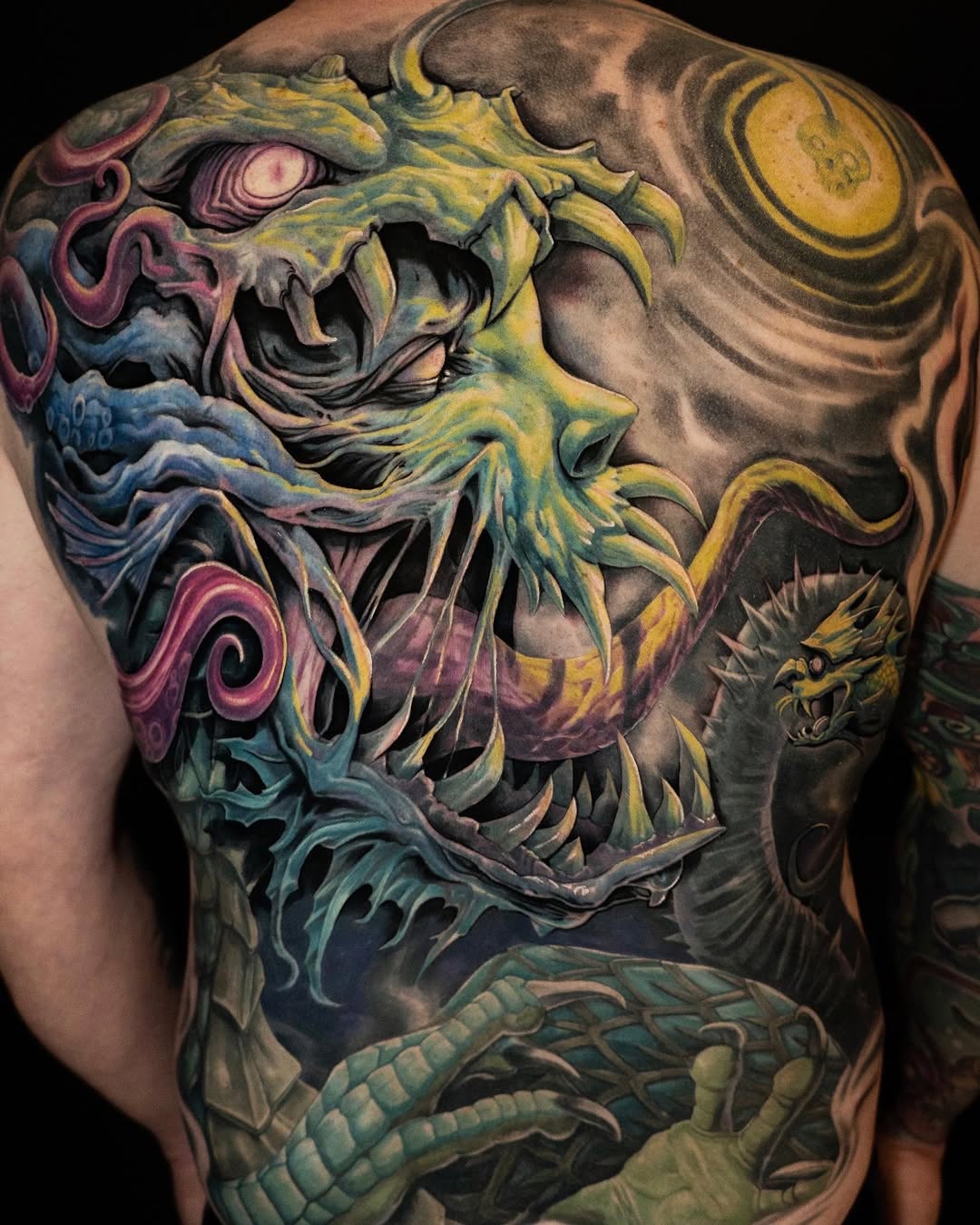
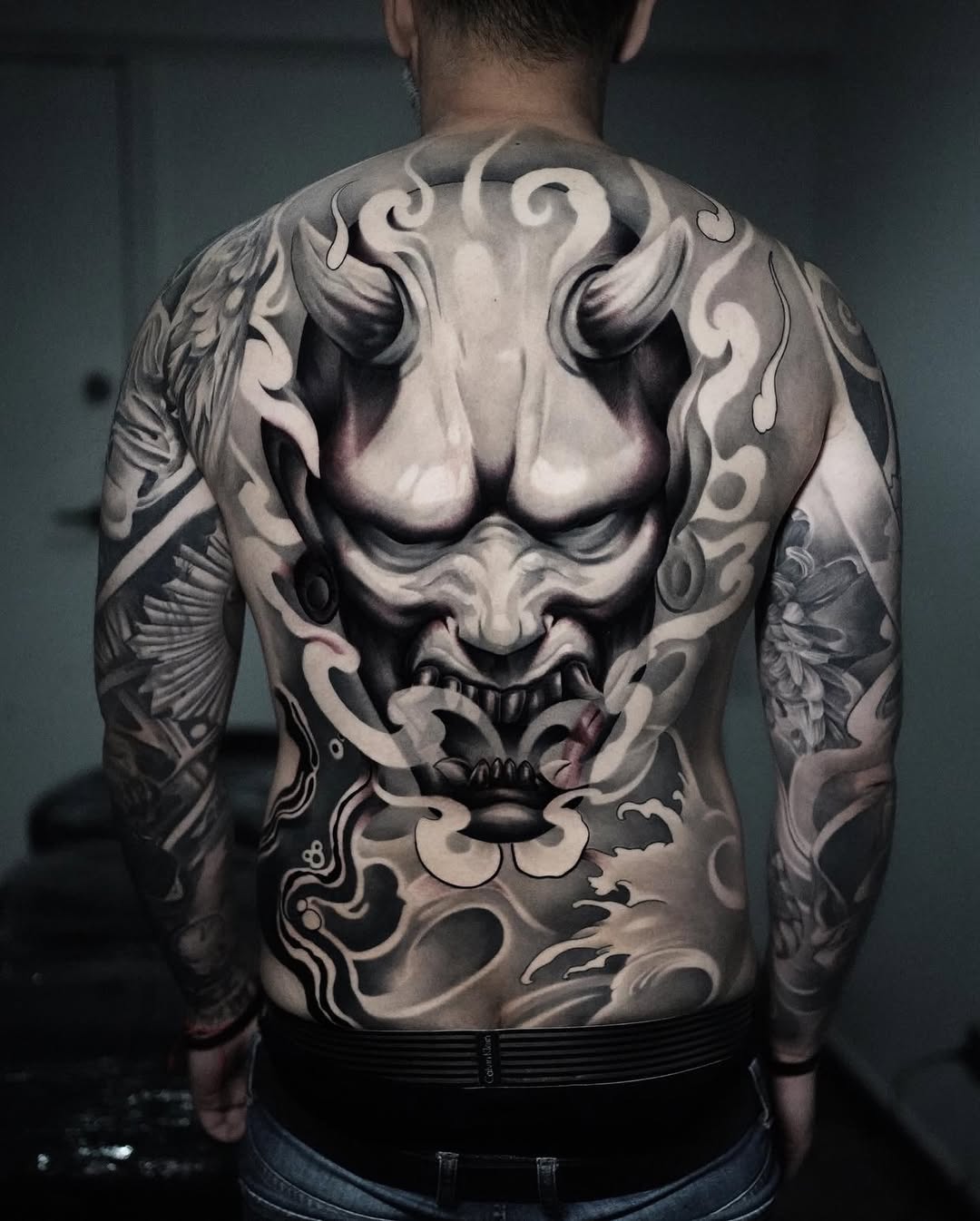
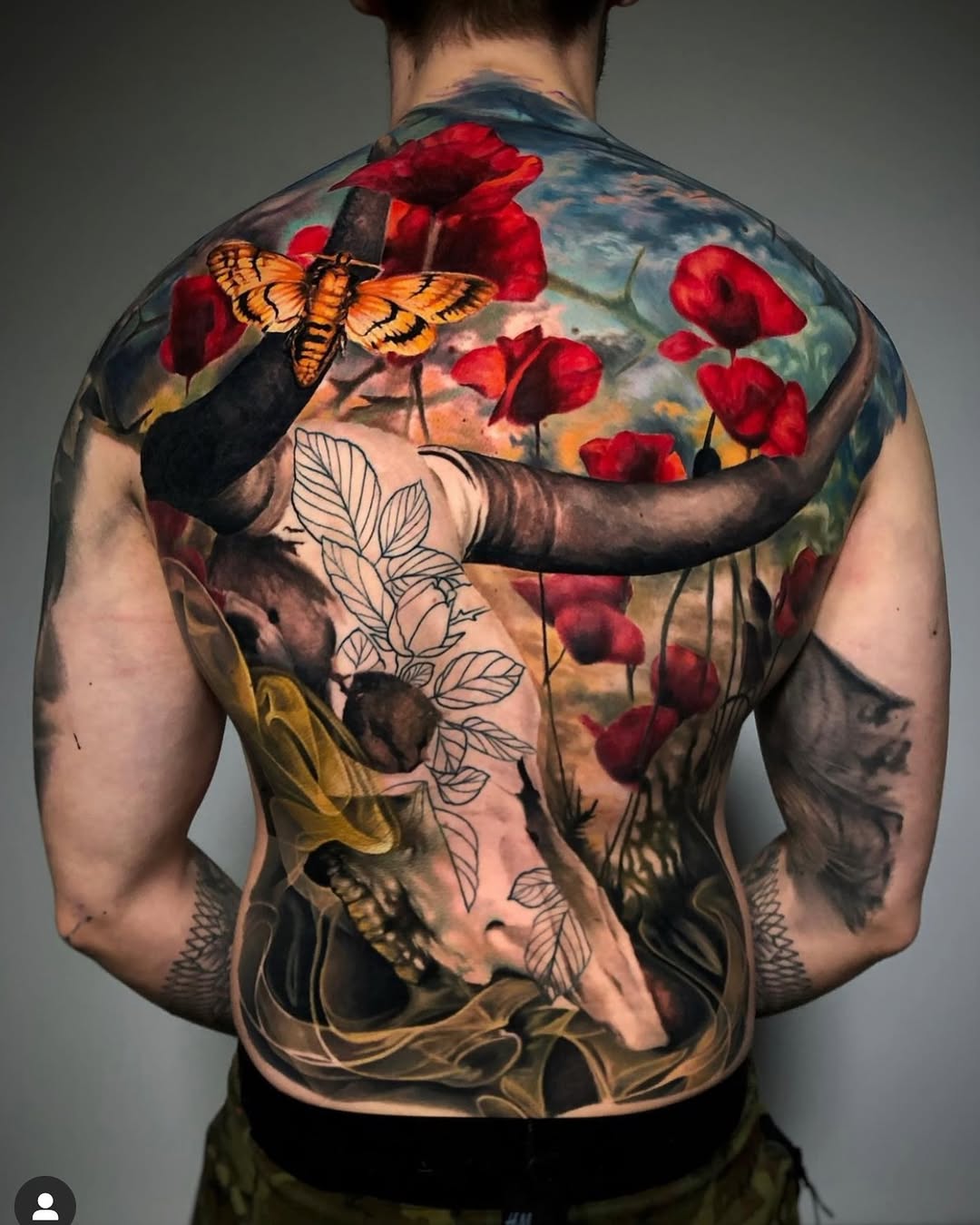
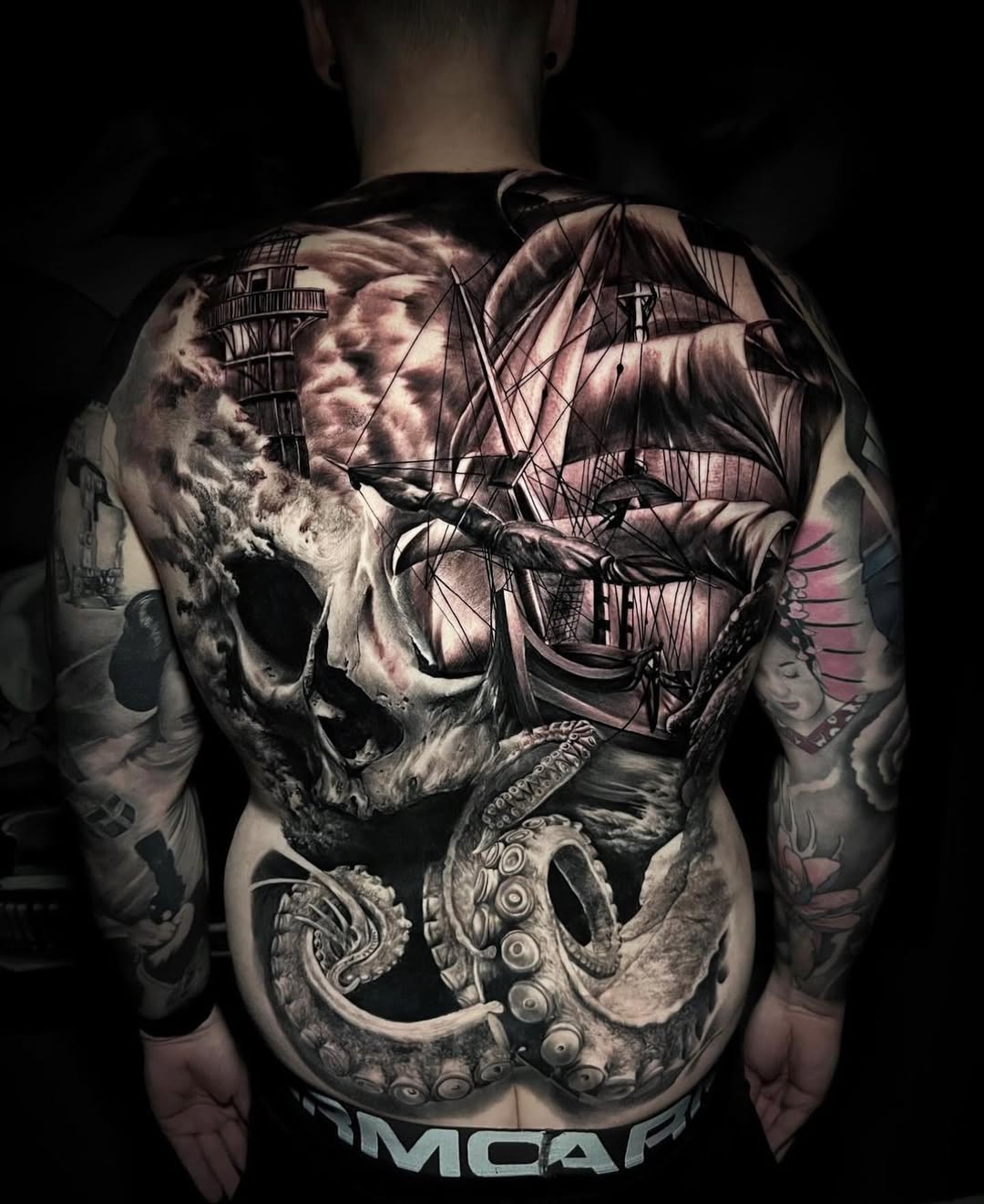
Large placements (sleeve, back) make the phoenix easier to read; small pieces need cleaner, simpler detail.
The best phoenix tattoos are custom—your artist matches style + placement + color to your story.
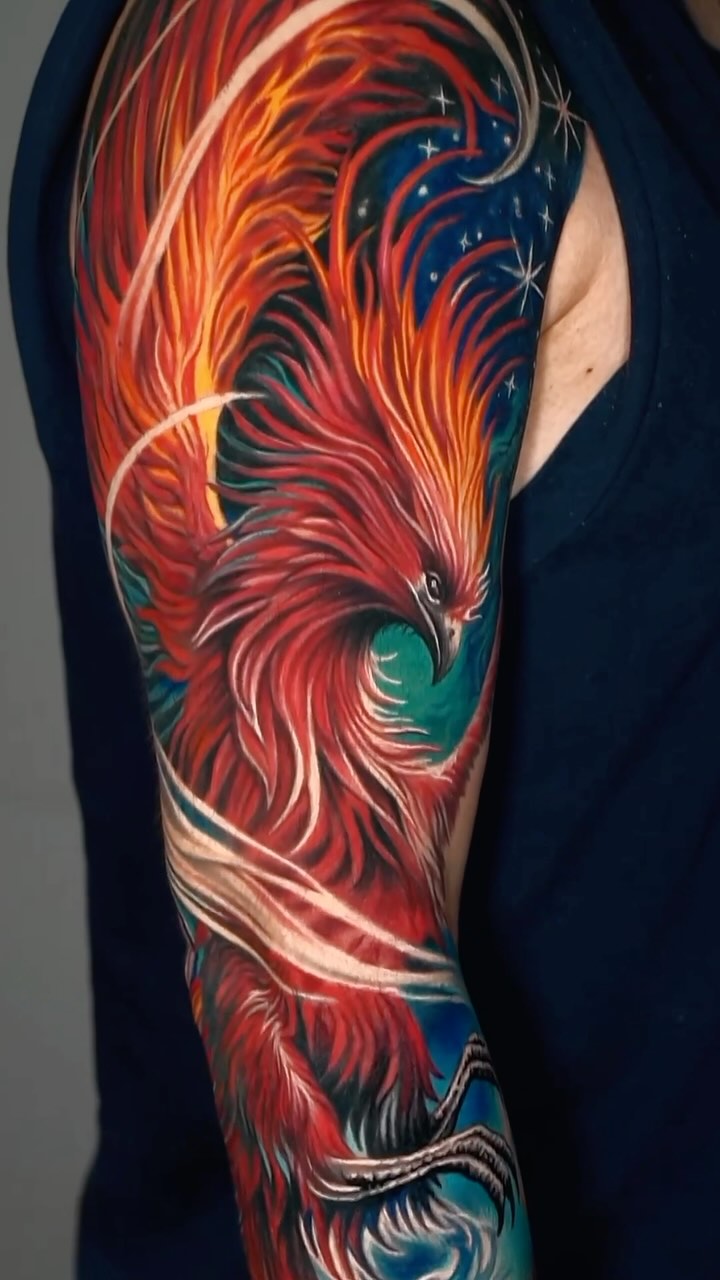
Phoenix tattoo meaning (the core symbolism)
At its core, the phoenix is the ultimate symbol of renewal. In the classic myth, the bird’s life ends in fire—and from that ending, something new begins.
That’s why phoenix tattoos are so personal. People use them to represent:
rebuilding after loss
recovery and healing
leaving behind a past identity
personal growth after struggle
becoming “you,” again—on your own terms
What “rising from the ashes” means in real life
Ashes are what’s left when something is finished. A phoenix tattoo turns that idea into a promise: you’re not defined by what burned—you’re defined by what you became next.
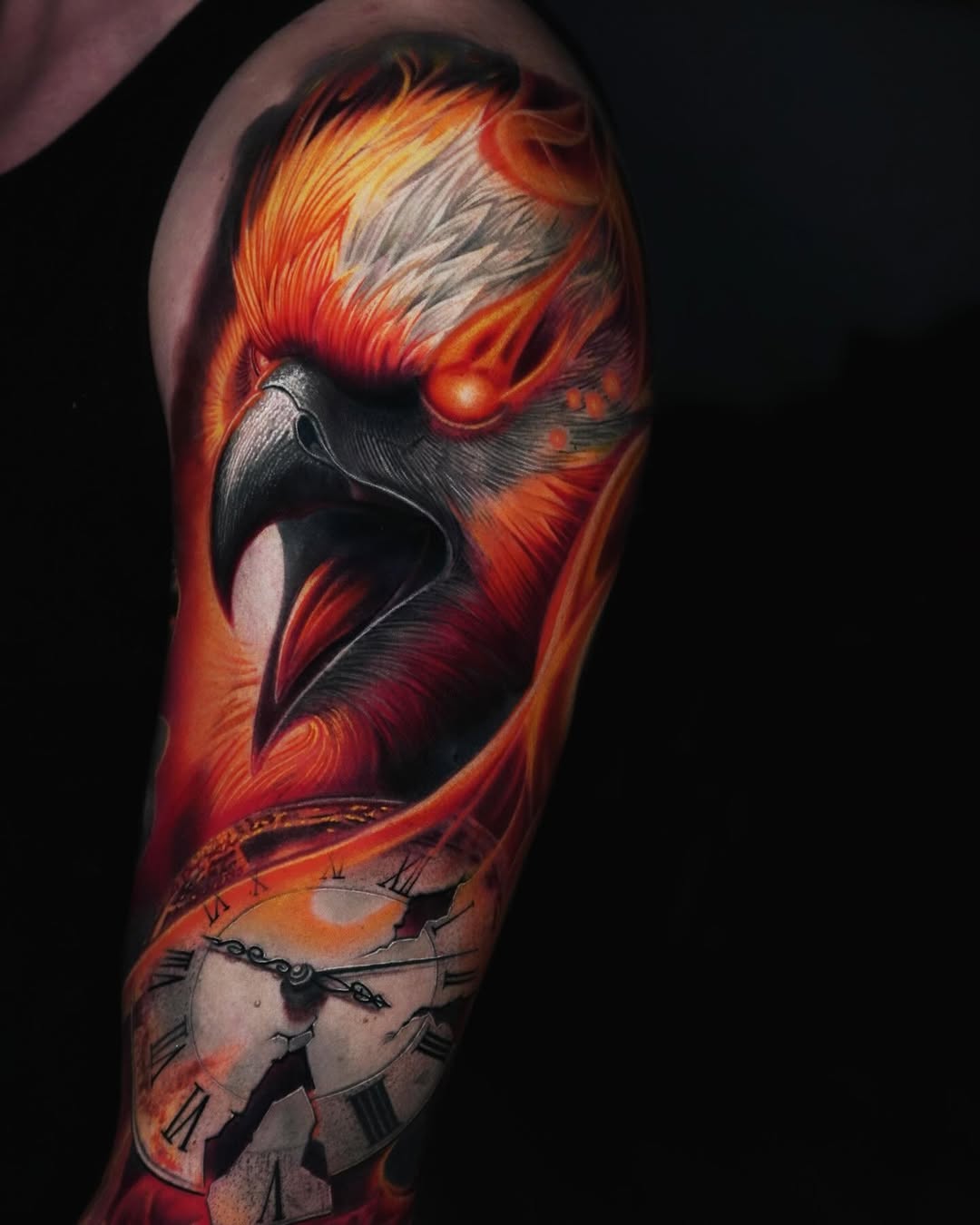
Phoenix origins (and the Fenghuang difference)
You’ll often hear phoenix symbolism linked to Greek/Egyptian traditions: the phoenix is tied to cyclical renewal and resurrection imagery.
But there’s a common mix-up: the fenghuang (sometimes called the “Chinese phoenix”) is a different mythic bird. It’s traditionally associated with harmony and yin–yang balance, and its symbolism doesn’t map 1:1 to the Western phoenix story.
Why this matters for your tattoo: if your concept draws from a specific heritage or philosophy, your artist can build the design around the right symbolism without turning it into a generic “fire bird.”
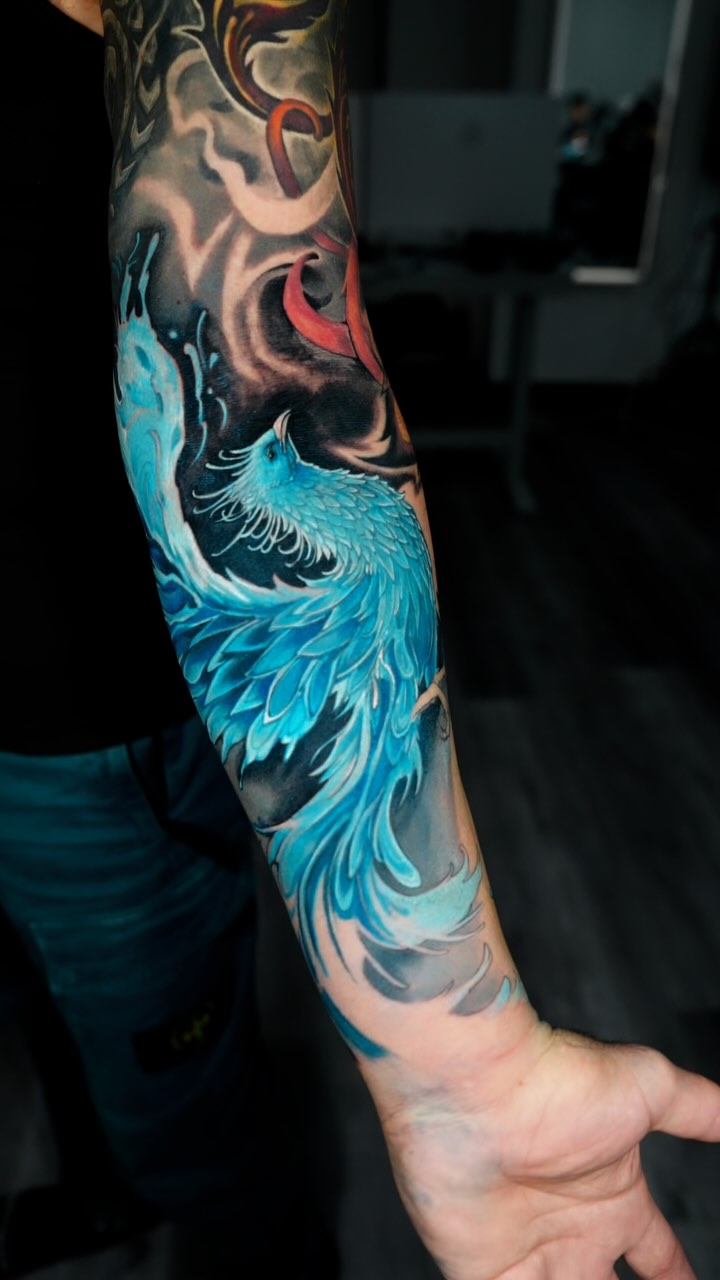
Design elements that change the meaning
A phoenix tattoo can read totally differently depending on the details you choose.
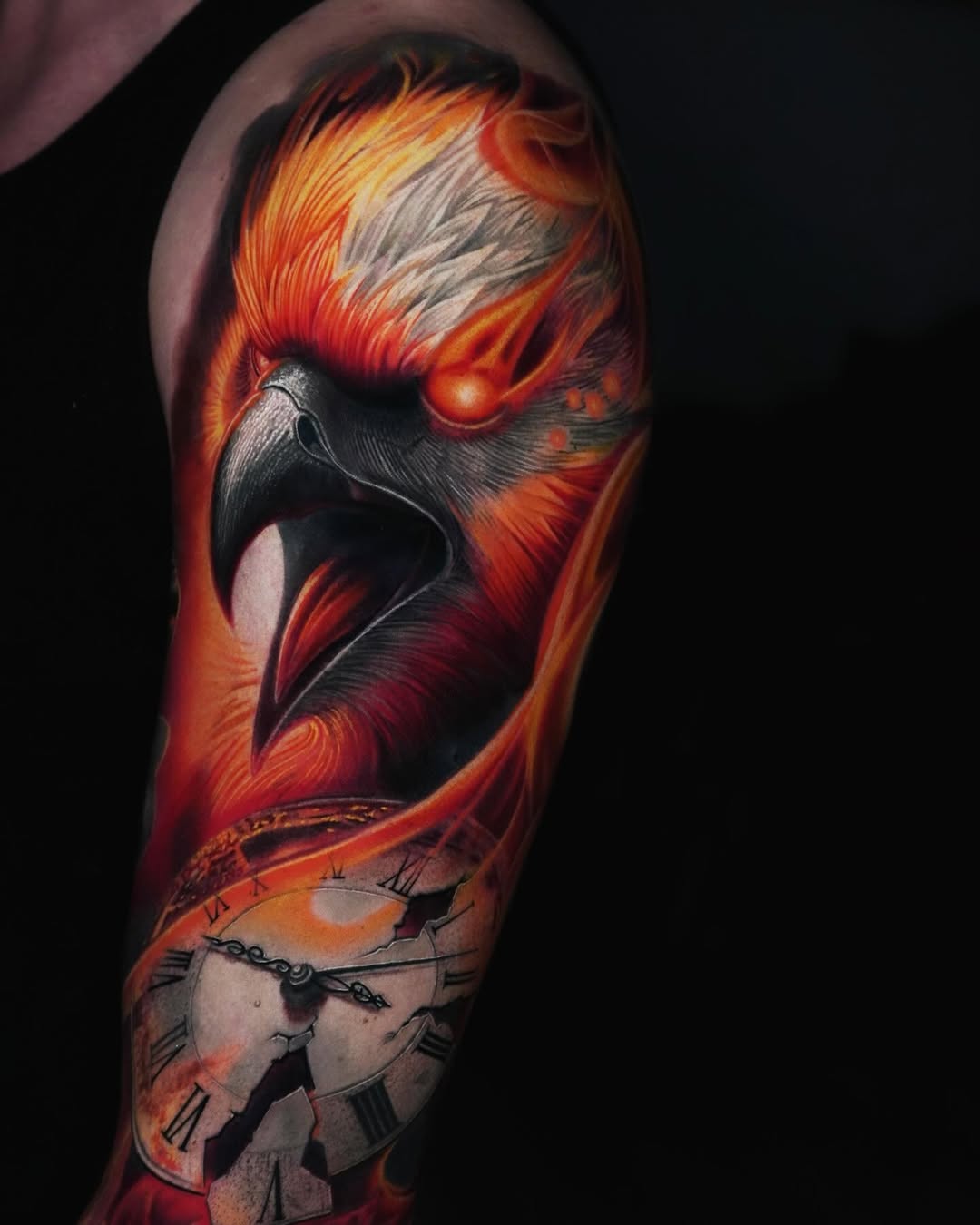
Phoenix tattoo with flames
Flames amplify the message: purification, survival, and power. The bird doesn’t just “come back”—it comes back forged.
Design ideas that work well:
flames that wrap the wings for motion
ember-like feather texture
high contrast (so the phoenix stays readable from a distance)
Ash, smoke, and “before → after” storytelling
Ash and smoke can turn the tattoo into a narrative:
ashes at the base = what ended
rising smoke = transition
phoenix above = the new chapter
Color vs black & grey
Color can feel energetic and mythic (great for flame movement and glow).
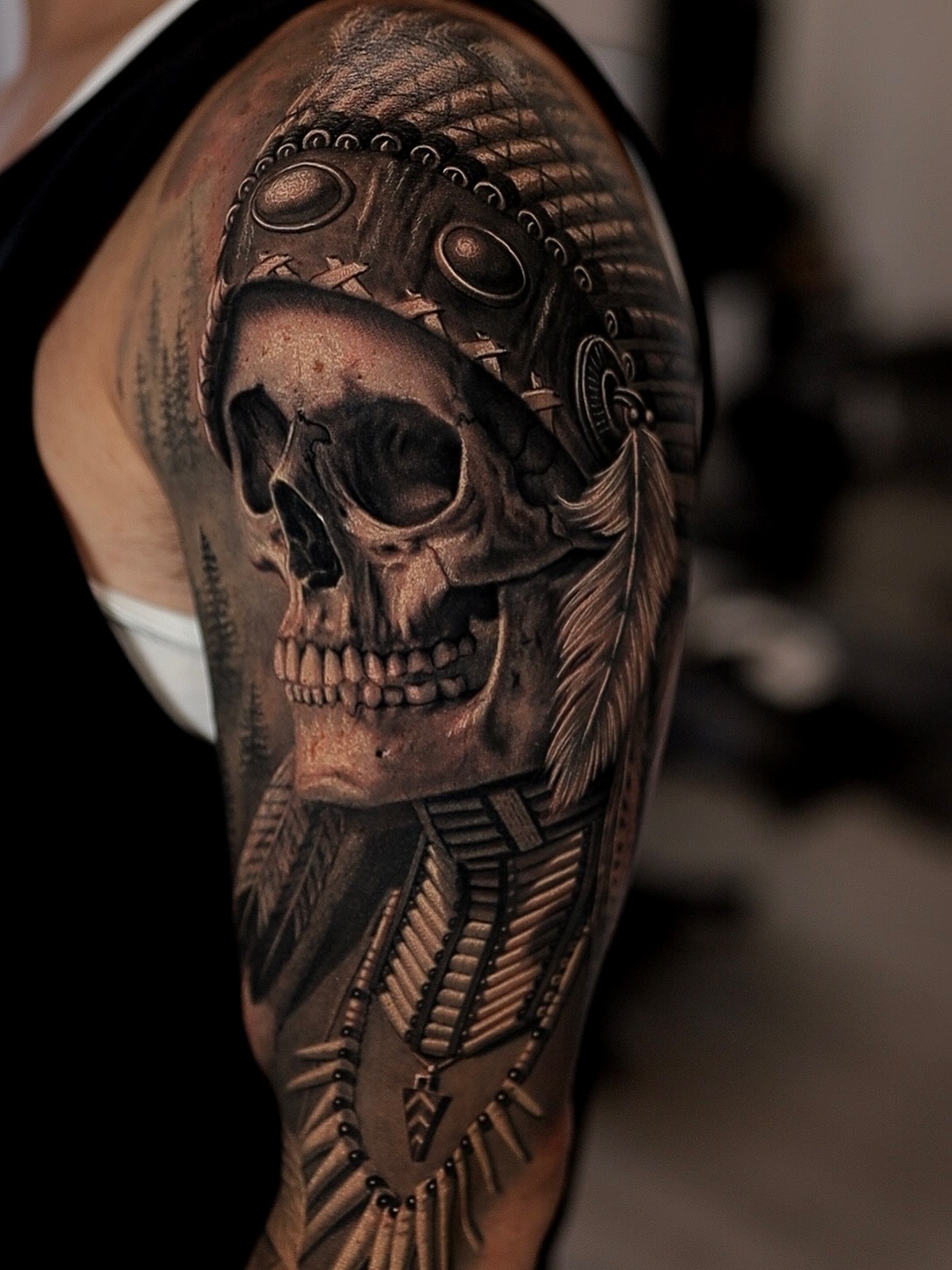
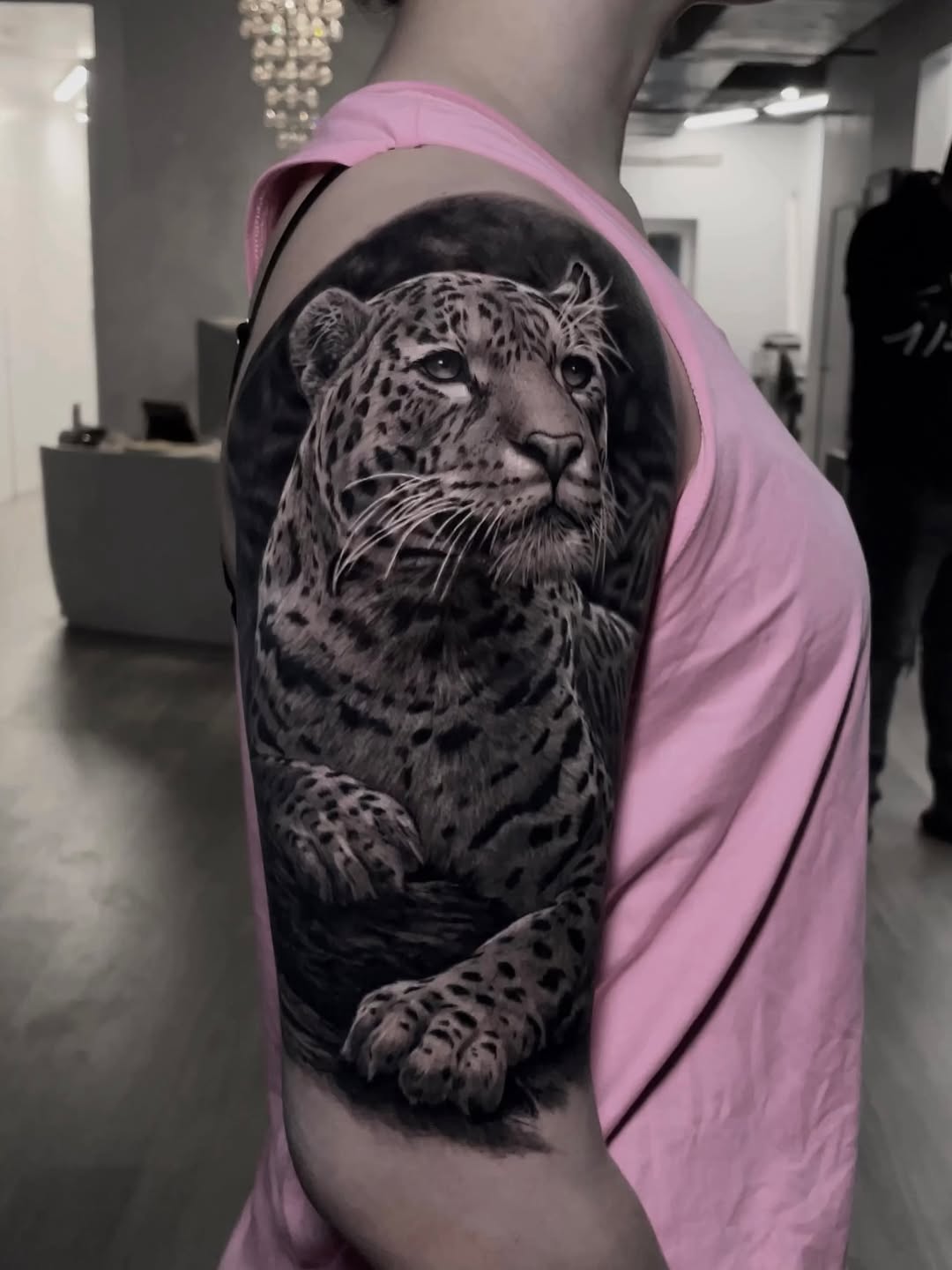
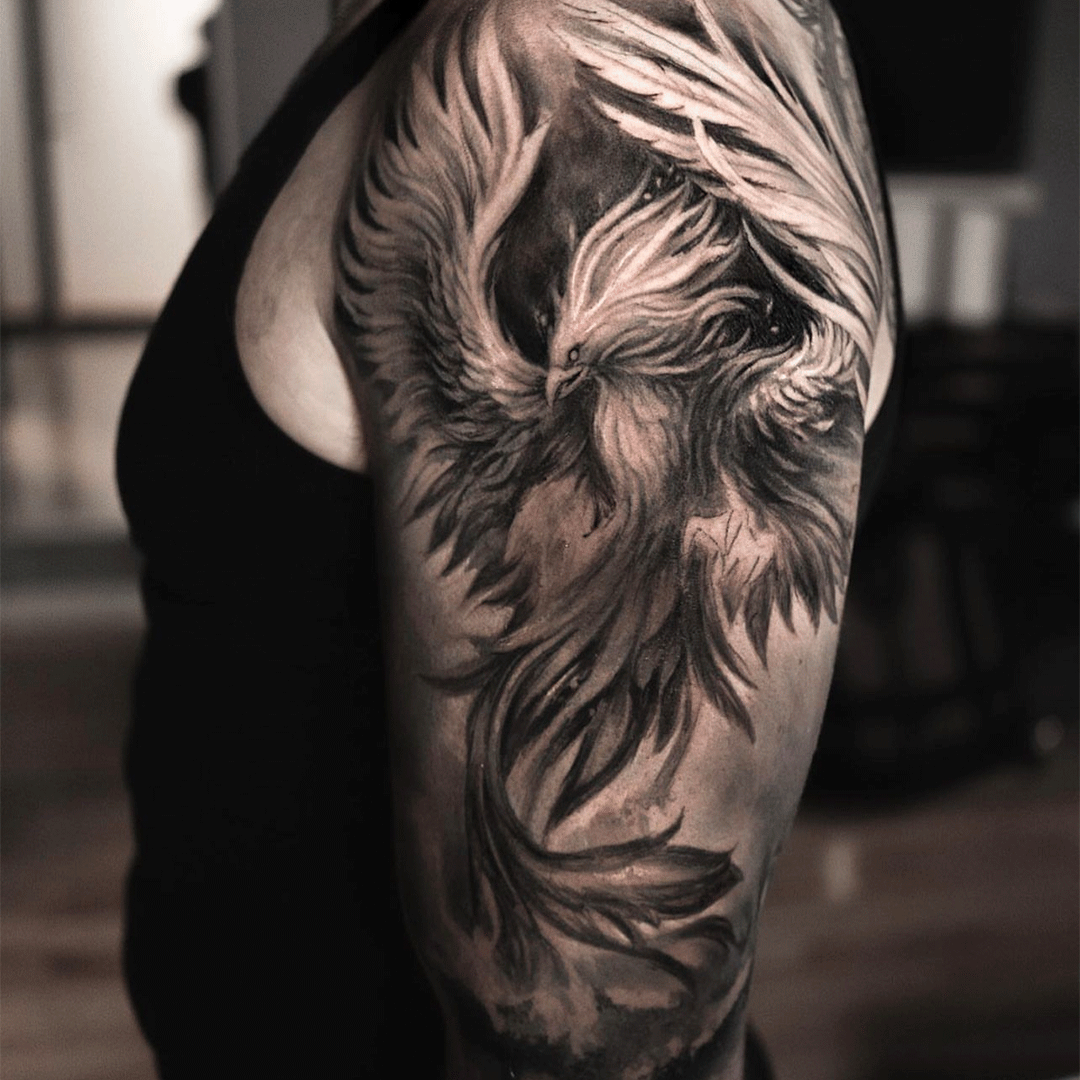
Black & grey can feel timeless, dramatic, and “serious,” especially in realism-focused designs.
If you love realistic work, explore: Realism Tattoos (/tattoo-styles/realism-tattoos/) and Black & Grey Realism (/tattoo-styles/black-and-grey-realism/).
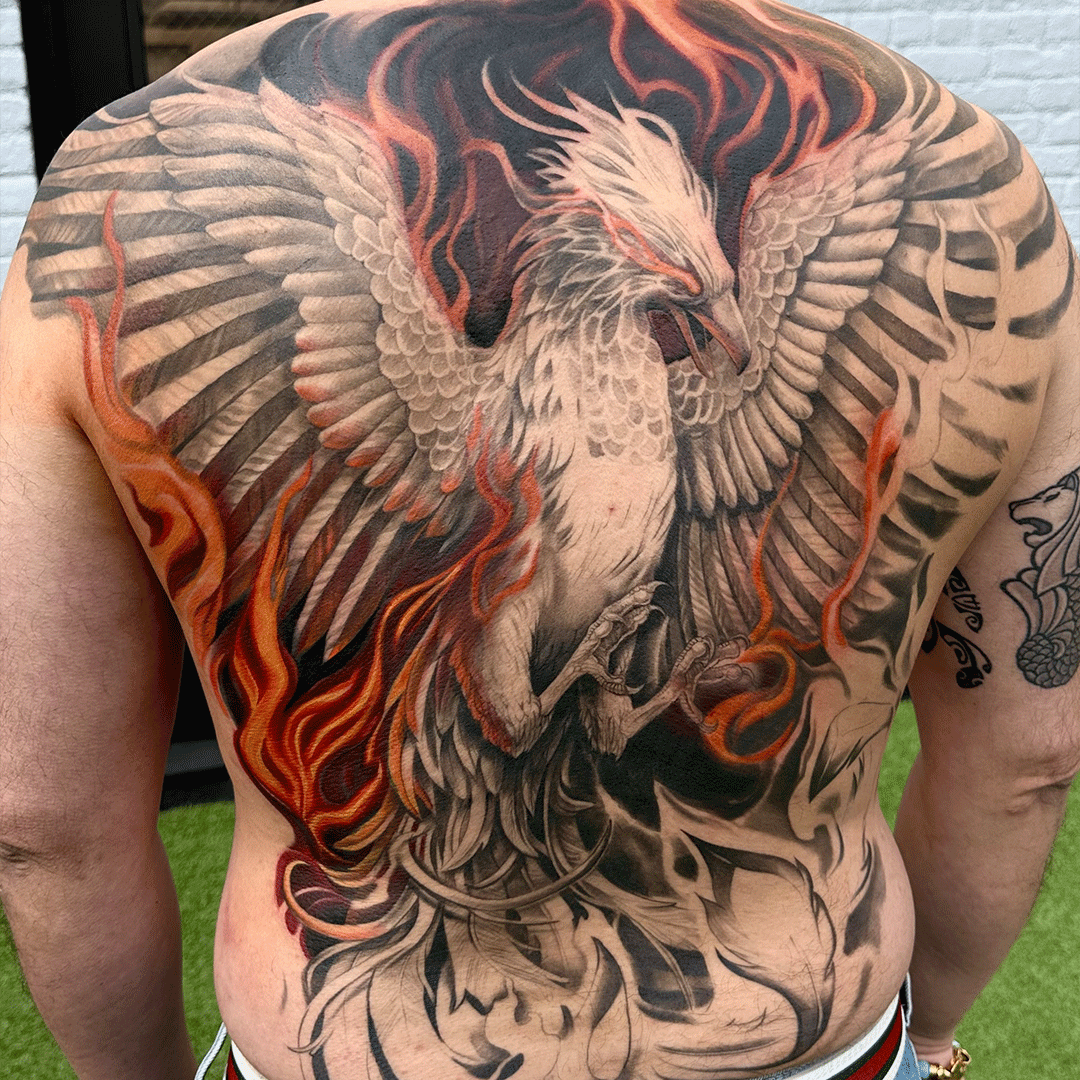
Best placements for phoenix tattoos
Phoenix designs usually need room—wings, flame flow, feather detail, and background all compete for space.
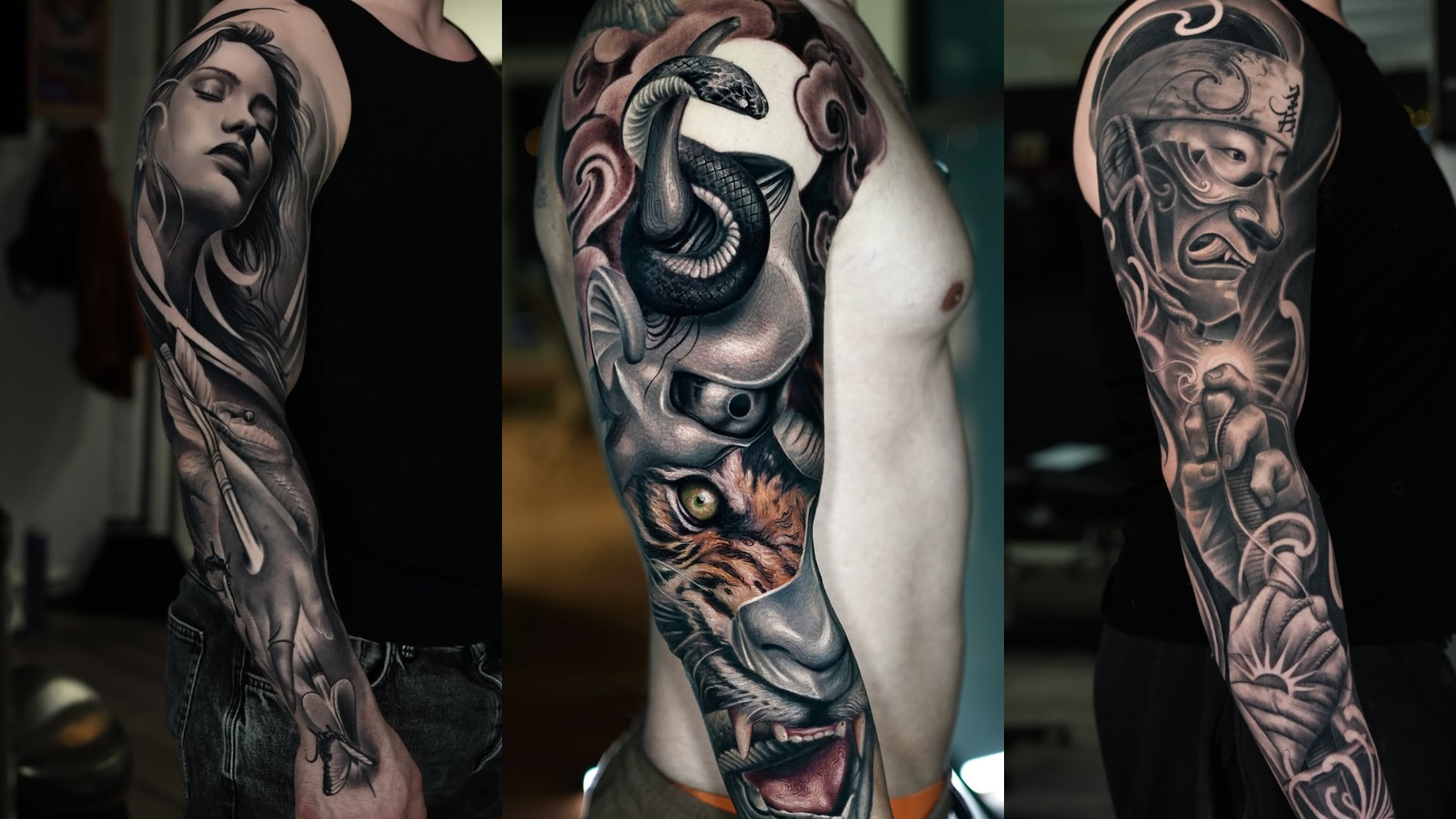
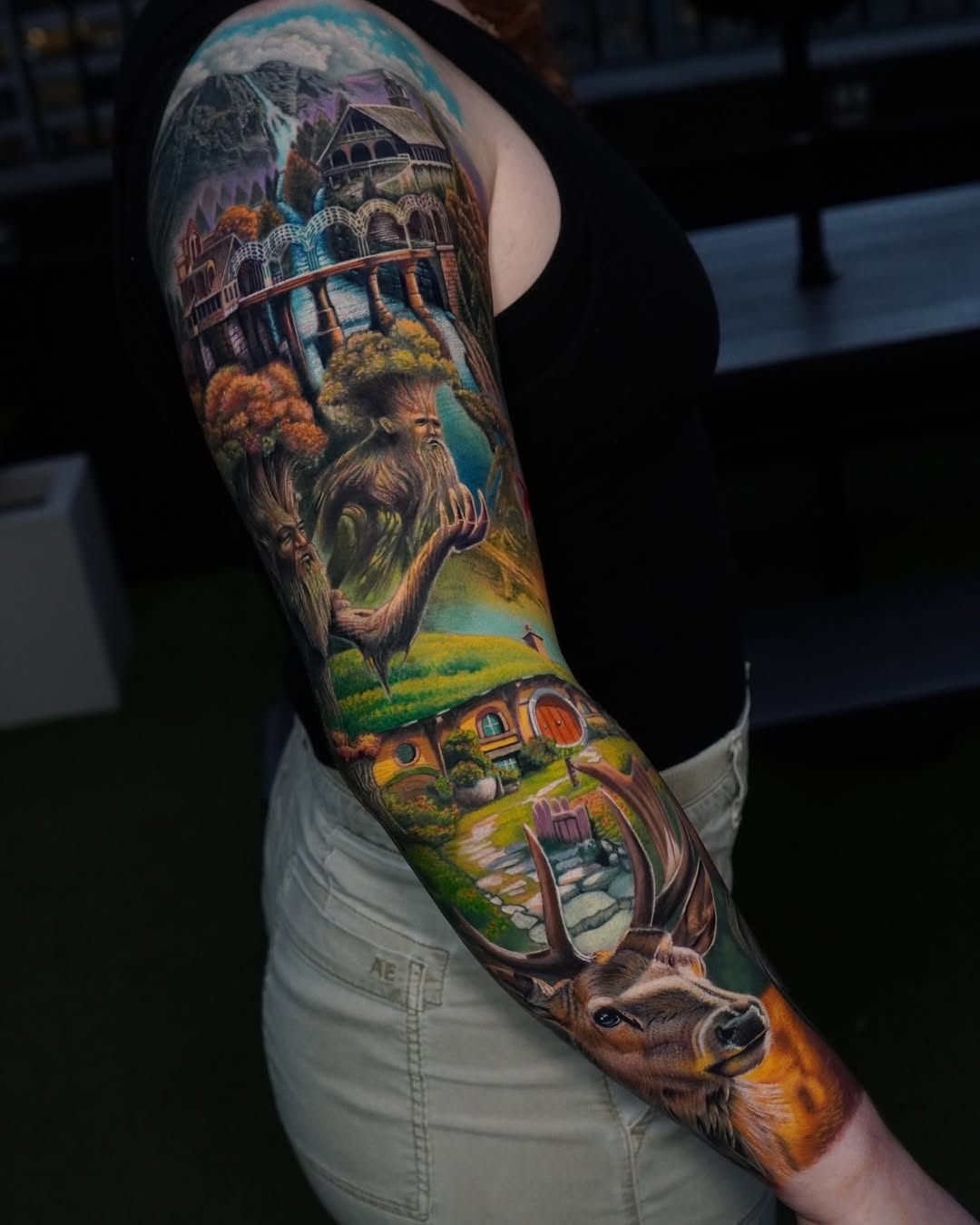
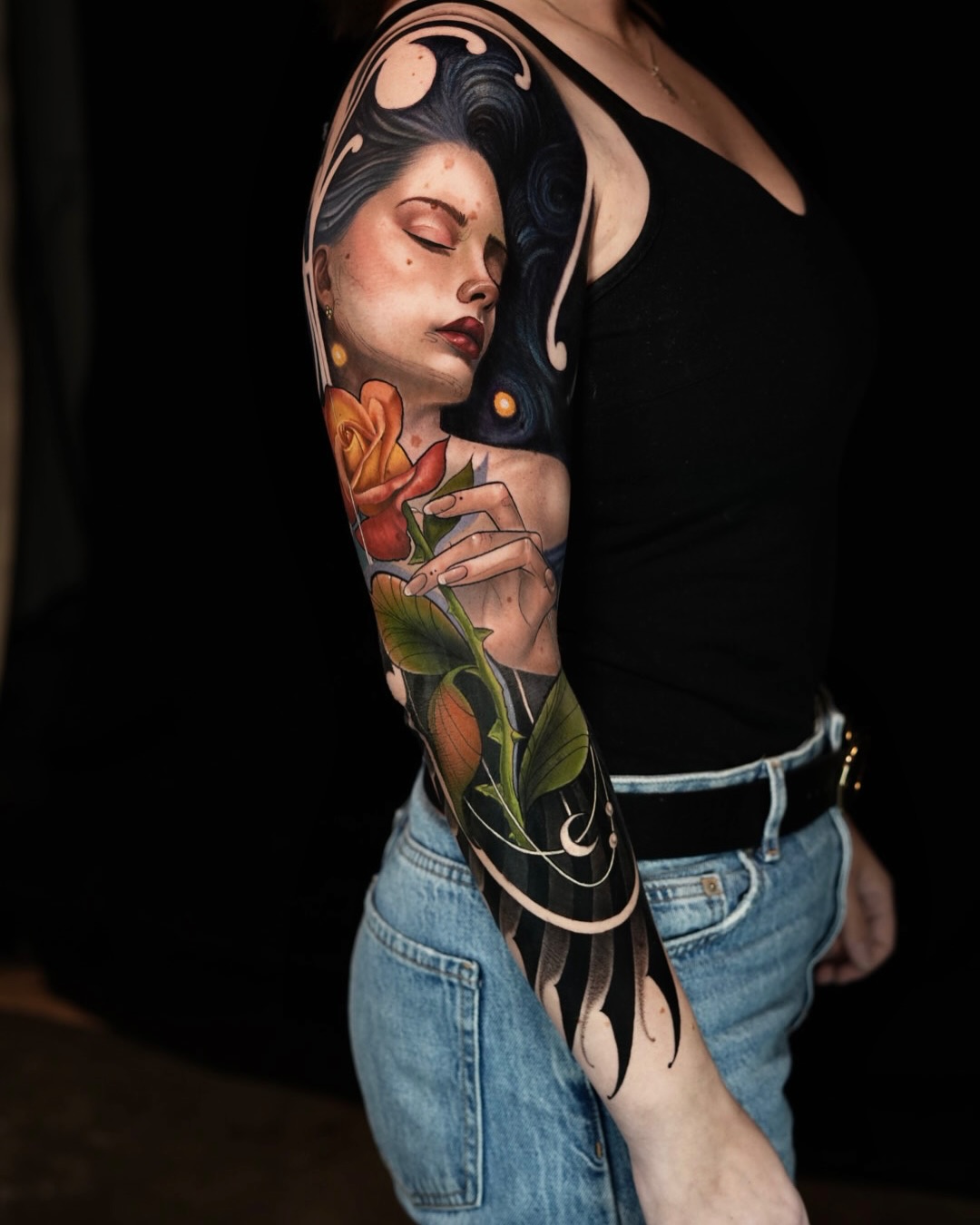
Phoenix sleeve tattoo
A sleeve is ideal when you want:
a full “rise” story from wrist/forearm up to shoulder
layered detail (embers, smoke, ash)
a piece that reads well from multiple angles
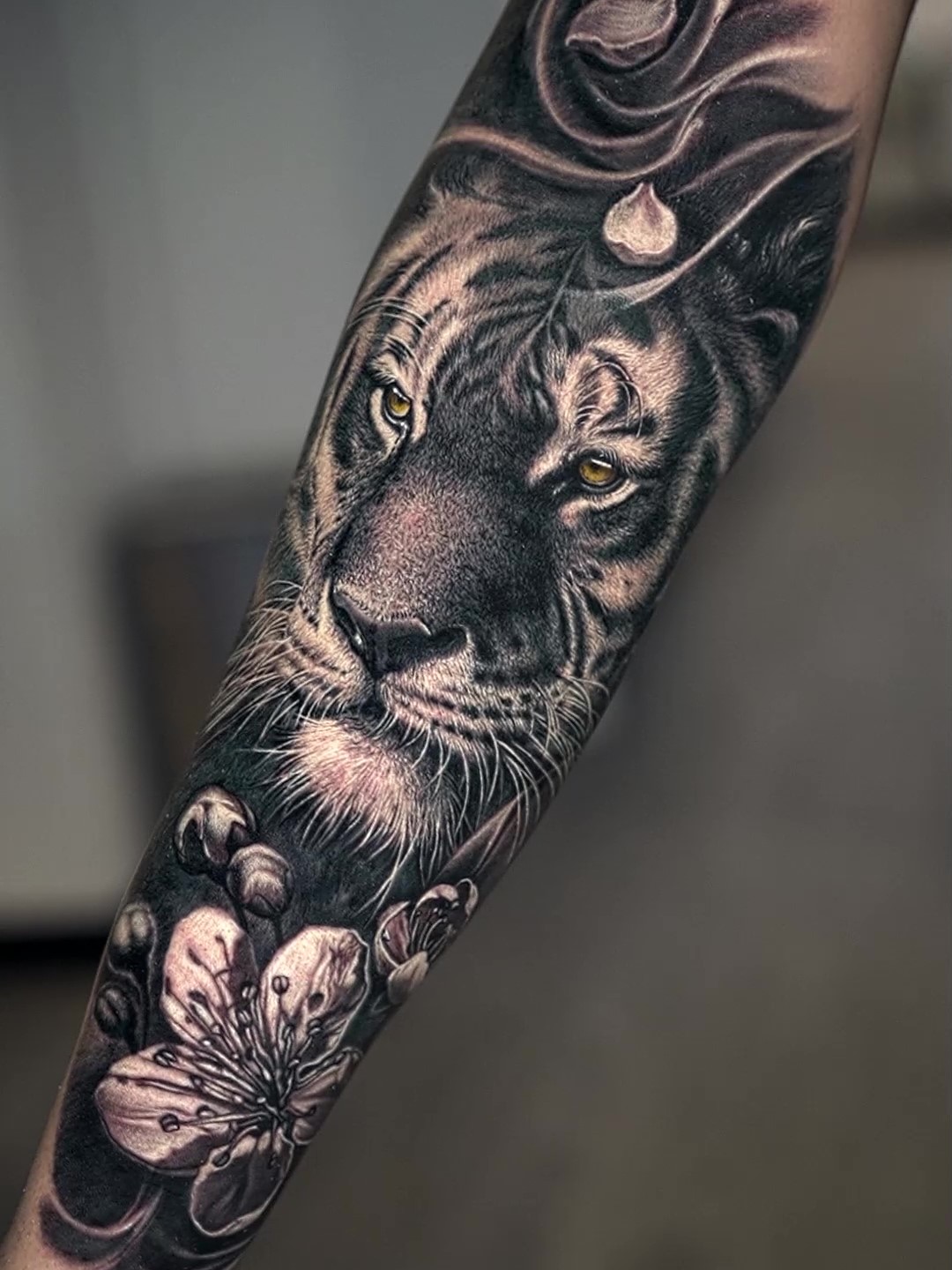
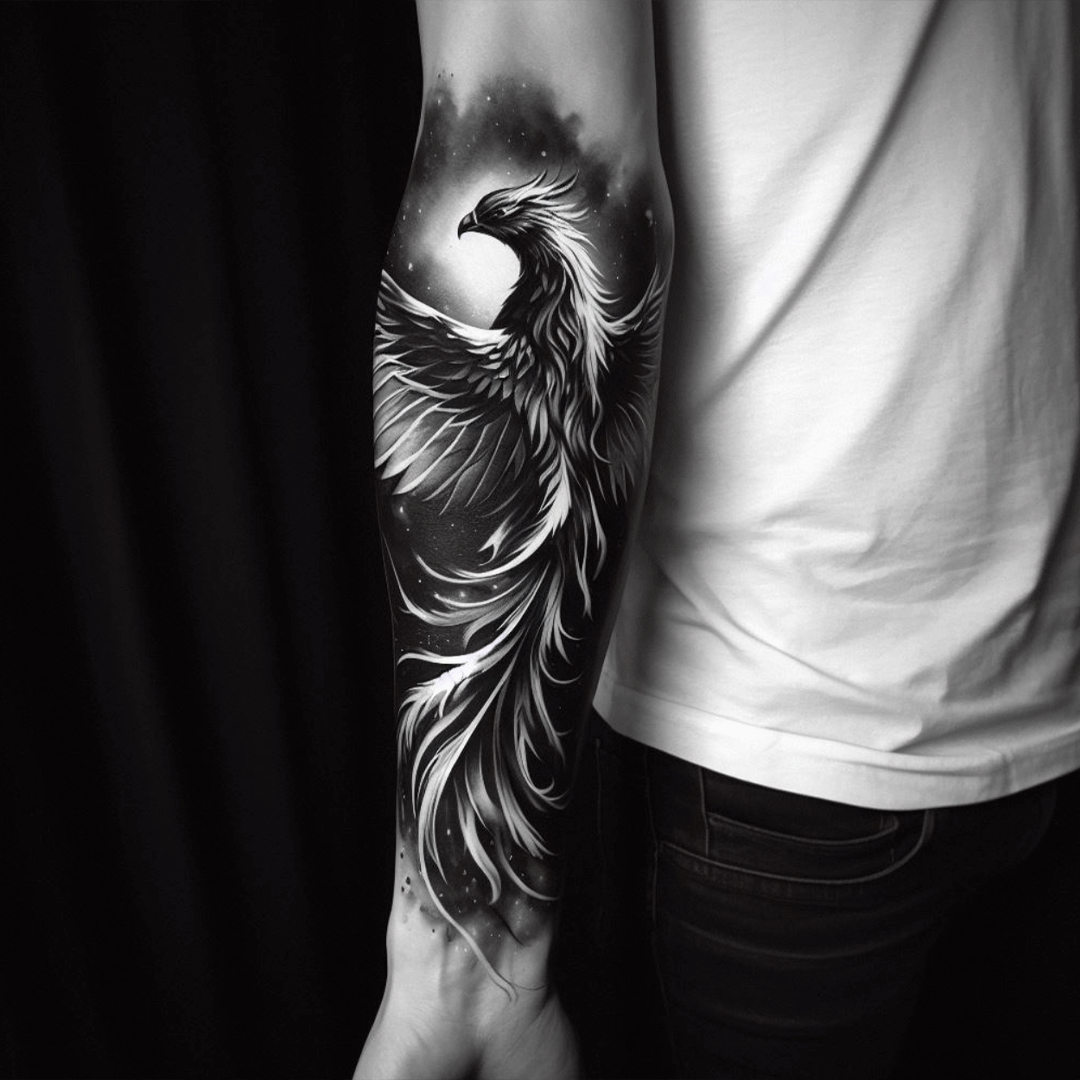
Forearm phoenix tattoos
Forearms are popular because they’re visible and easy to show, but the key is simplifying the design so it still reads cleanly.
Back, shoulder, and chest
These placements work best for dramatic wingspan and big flame movement. If you want the phoenix to feel “larger than life,” this is where it shines.
Sternum / ribs
These can be stunning and intimate, but they’re not the easiest placement for everyone. If you’re considering it, talk through sizing, line density, and healing expectations with your artist first.
Style options (choose the vibe that fits your story)
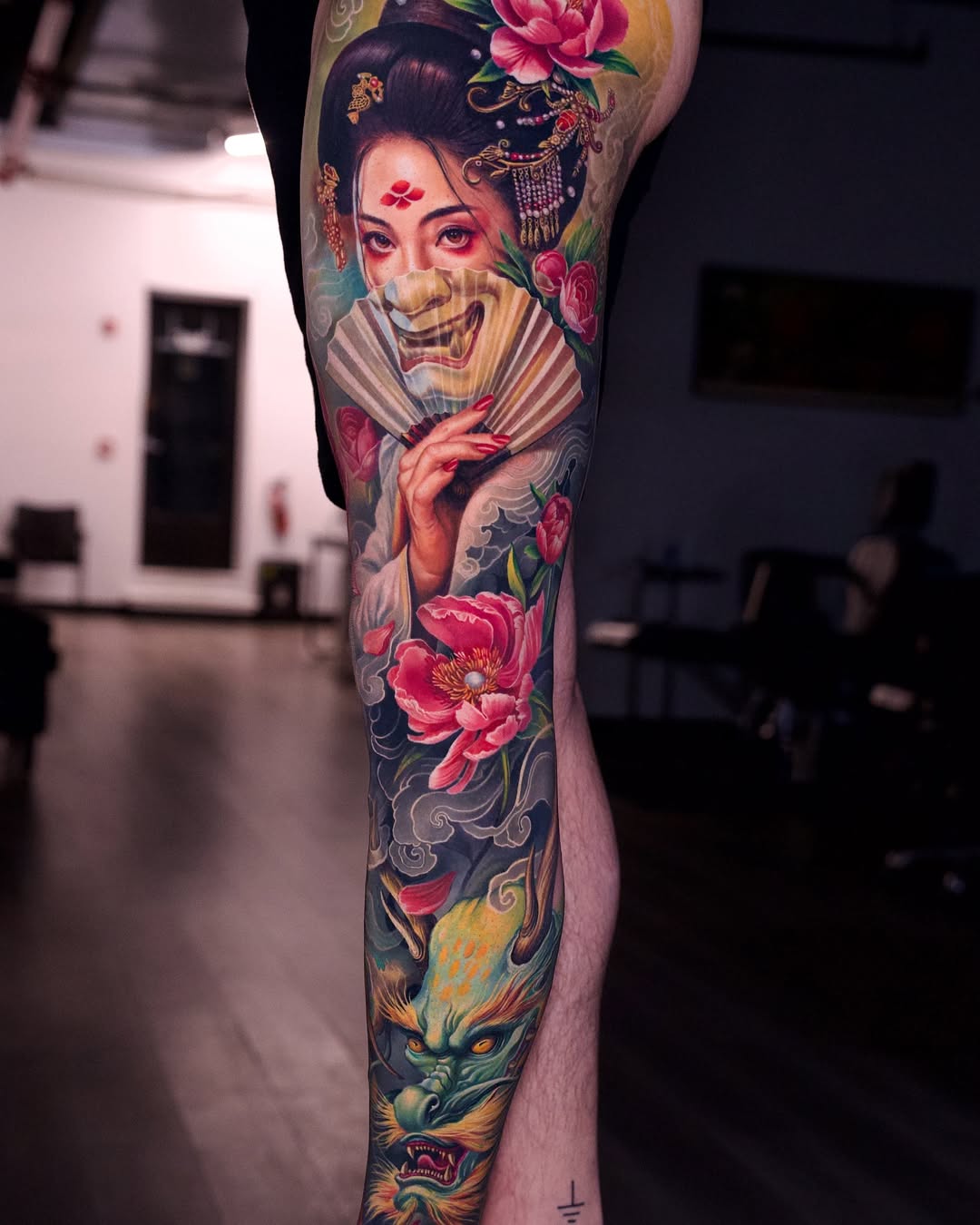
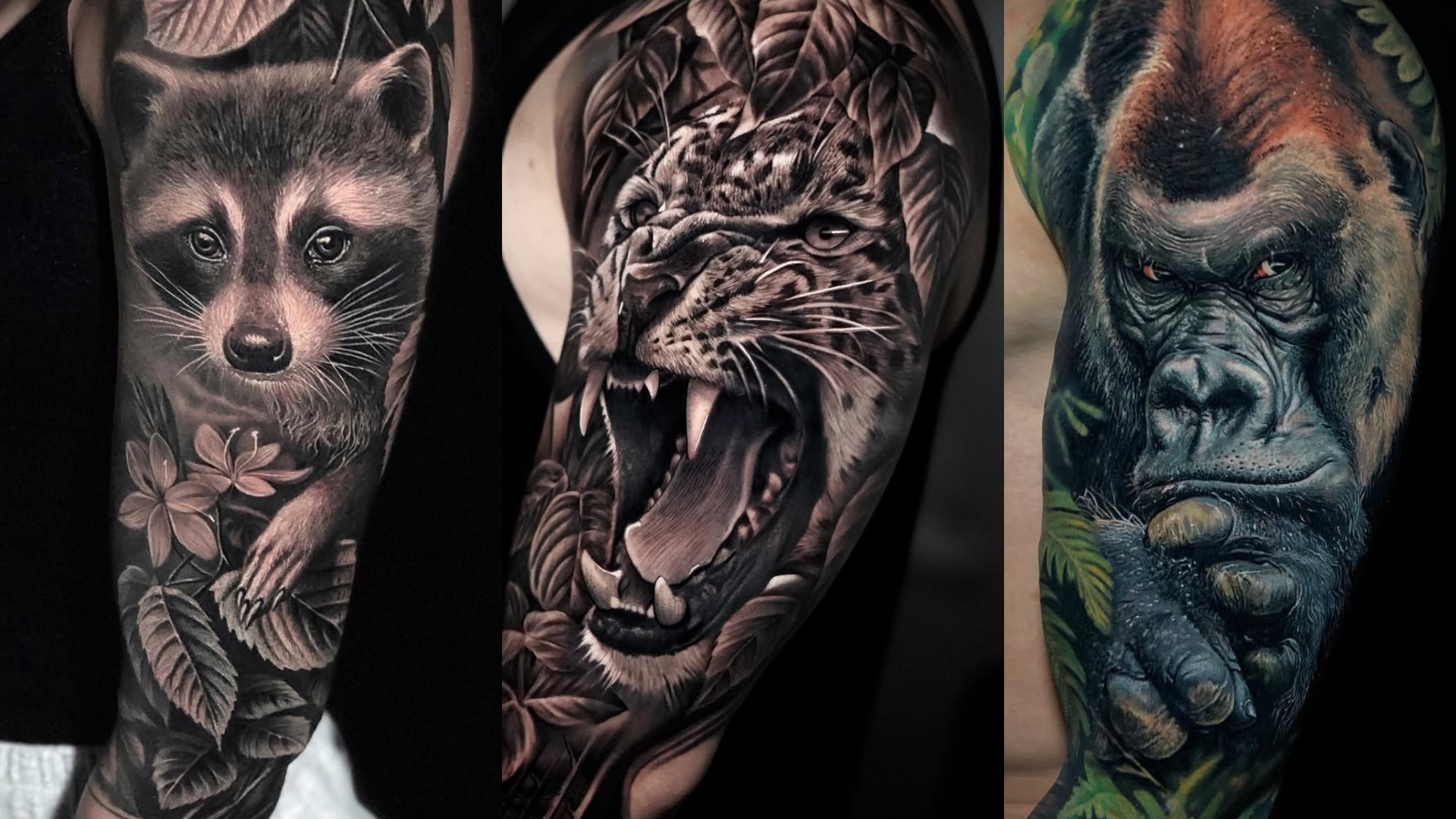
Realism: dramatic, detailed, lifelike feather texture—great for powerful statement pieces.
Black & Grey Realism: high-contrast, timeless, strong readability over time.
Fine line: clean and elegant, but best for simplified phoenix concepts. (
/tattoo-styles/fine-line/)Watercolor-inspired looks: expressive and airy, but needs smart composition so it doesn’t blur into “color haze.”
Want to match the style to the right artist? Browse the team here: /artists/.
What to expect at Inknation Studio (timeline)
A phoenix tattoo is usually a custom design. Here’s a realistic flow:
1) Consultation (your concept → a real plan)
You’ll talk through:
meaning (what you want it to represent)
placement and size
style direction (realism, black & grey, fine line, etc.)
reference images you like (and what you don’t want)
2) Design and stencil
Your artist builds a composition that fits your anatomy—especially important for sleeves and wing shapes. This is where the tattoo becomes yours, not a copy.
3) Session day
Expect cleaning/prep, stencil placement, and breaks as needed. Bigger phoenix pieces may require multiple sessions depending on size and detail.
4) Healing timeline (general)
Days 1–3: tenderness, redness, “fresh tattoo” warmth
Week 1: peeling/flaking starts (don’t pick or scratch)
Weeks 2–3: surface calms down; tattoo looks a bit dull temporarily
Weeks 4–6+: it settles more fully (especially in high-detail work)
For a detailed guide, read: /everything-you-need-to-know-about-tattoo-aftercare/.
If you ever suspect infection or unusual swelling, contact a medical professional.
Common mistakes (and how to avoid them)
Going too small for the amount of detail
Phoenix feathers + flames need breathing room. Smaller designs should be simplified.Overcomplicating the flames
If everything is “busy,” nothing is readable. Strong contrast makes the phoenix pop.Not planning sleeve flow
A sleeve should move with your arm. The wings and flame direction matter.Choosing style first and meaning second
Start with the story, then choose the look that tells it best.Ignoring aftercare basics
Over-moisturizing, picking flakes, and sun exposure are the fastest ways to ruin a clean heal.