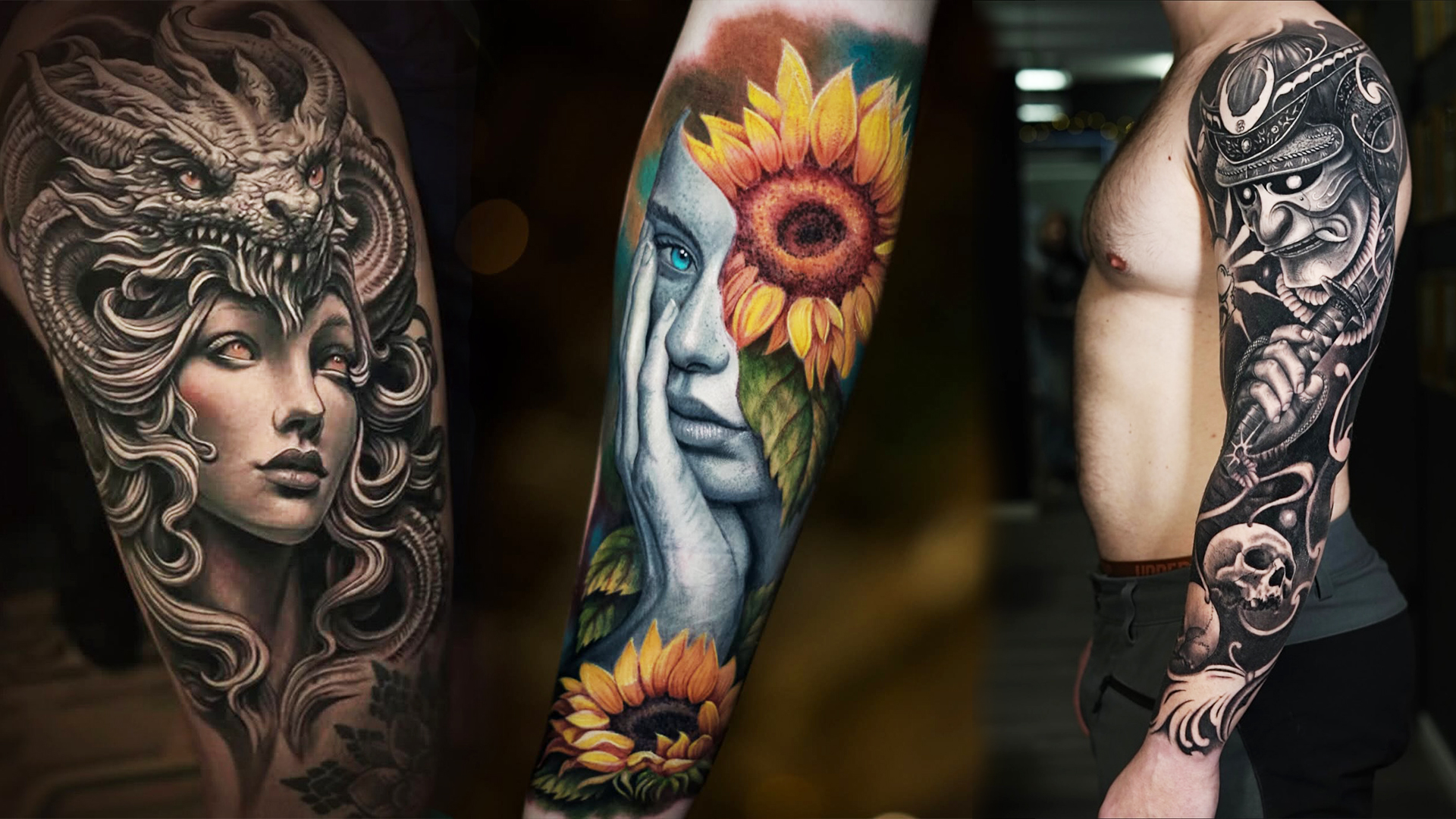
Realistic Expectations From Professional Tattoo Artists
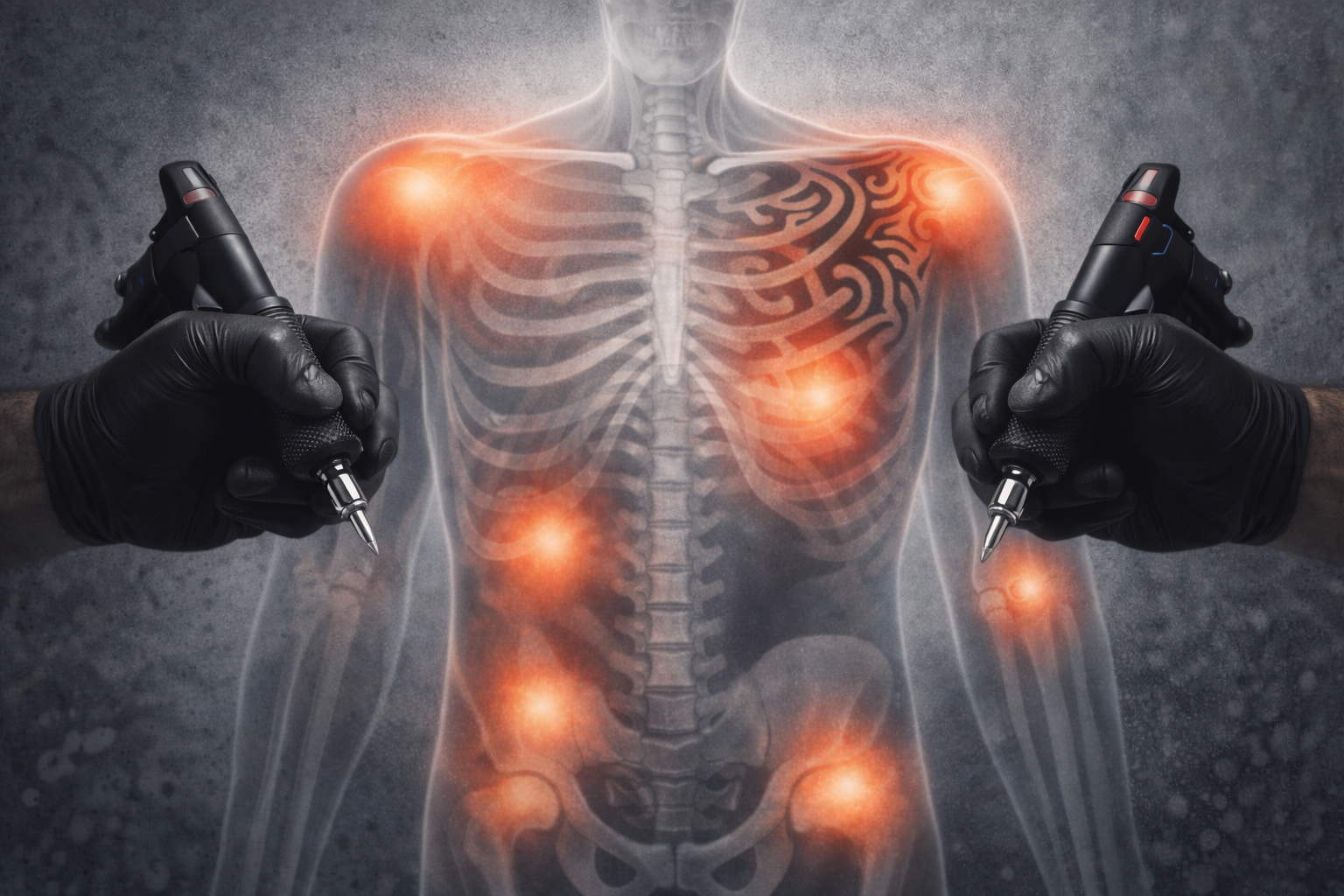
Getting tattooed is exciting but pain is one of the most searched and misunderstood topics in tattooing. A tattoo pain chart helps set realistic expectations by showing how different body parts respond to the tattoo process.
At Inknation Studio, our artists tattoo every area of the body, from forearm tattoos and arm tattoos to more sensitive placements like sternum tattoo, spine tattoos, and lip tattoo. This guide breaks down where tattoos hurt most (and least), why pain varies, and how placement, design, and anatomy all play a role.
Tattoo Pain Chart: How Tattoo Pain Really Works
Tattoo pain depends on three main factors:
- Nerve density
- Skin thickness
- Proximity to bone
Areas with thin skin, more nerve endings, or little fat tend to be more painful. This is why a hand tattoo, neck tattoo, or spine tattoo usually hurts more than a thigh tattoo or forearm tattoo.
Pain is subjective, but experienced artists can give you realistic expectations, no myths, no surprises.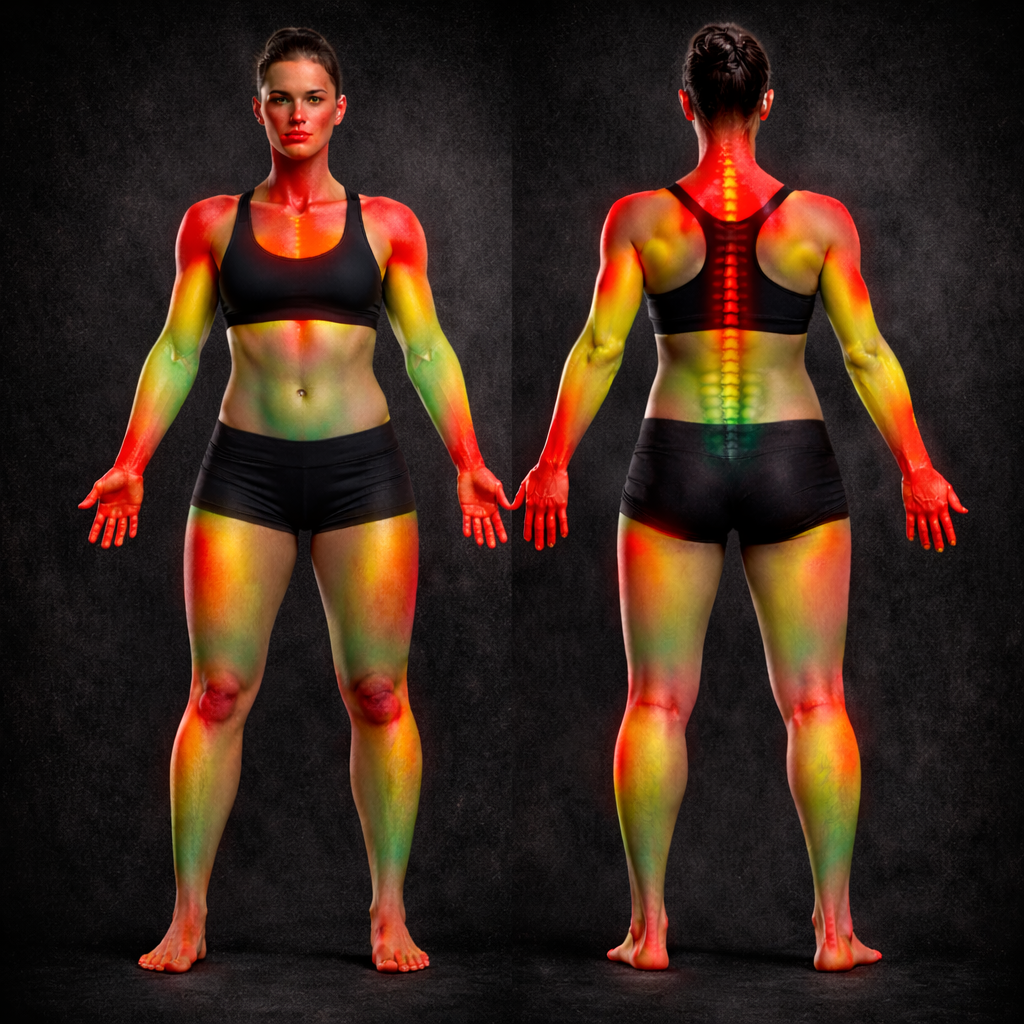
Low to Moderate Pain Areas (Best for First Tattoos)
These placements are often recommended for first-timers or longer sessions.
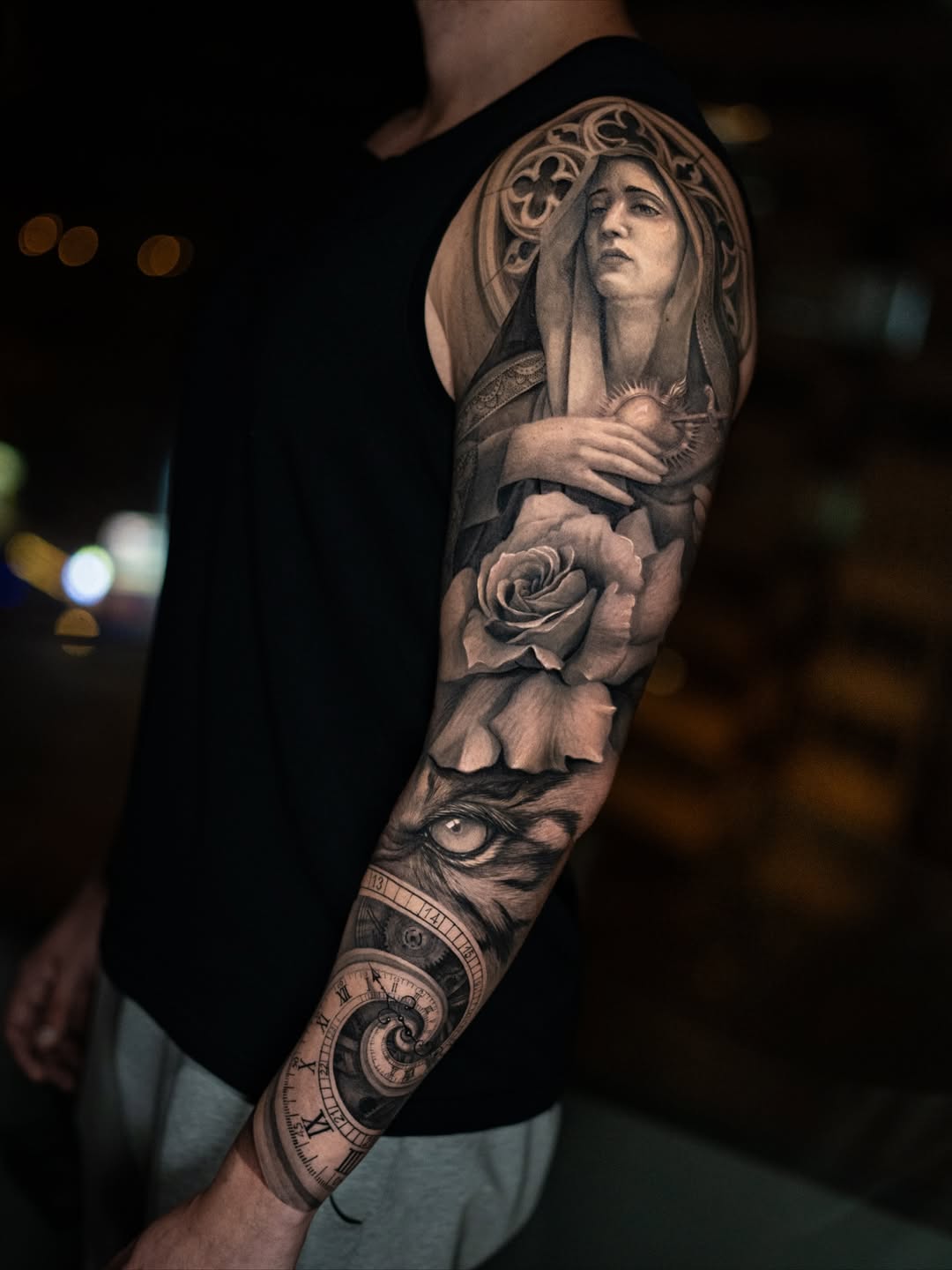
Forearm Tattoos & Arm Tattoos
- Popular for tattoo ideas for men and clean, readable designs
- Muscular area with fewer nerve endings
- Excellent for tattoos with designs that require detail
Pain level: Low to moderate
Why they work: Stable skin, good healing, and long-term clarity
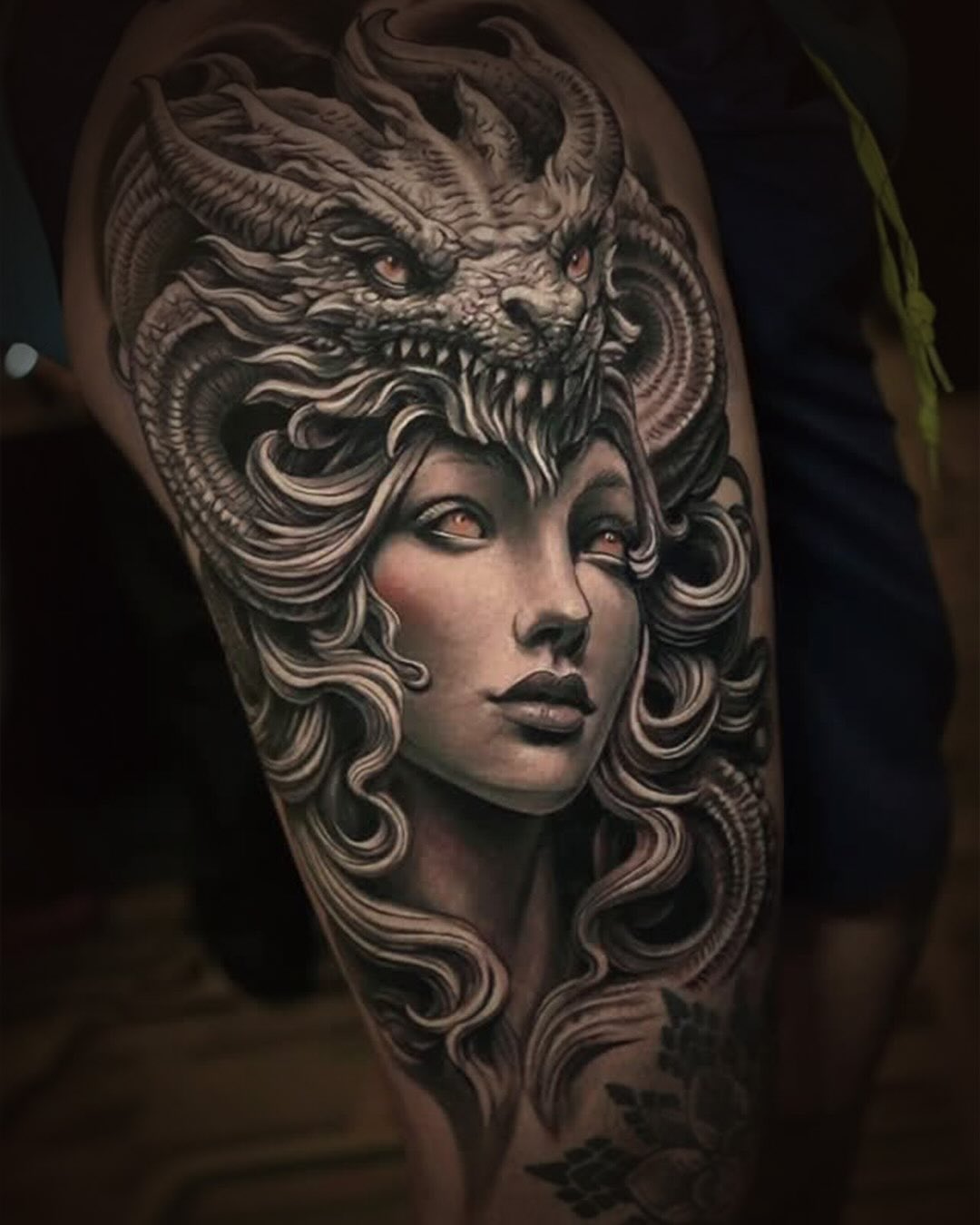
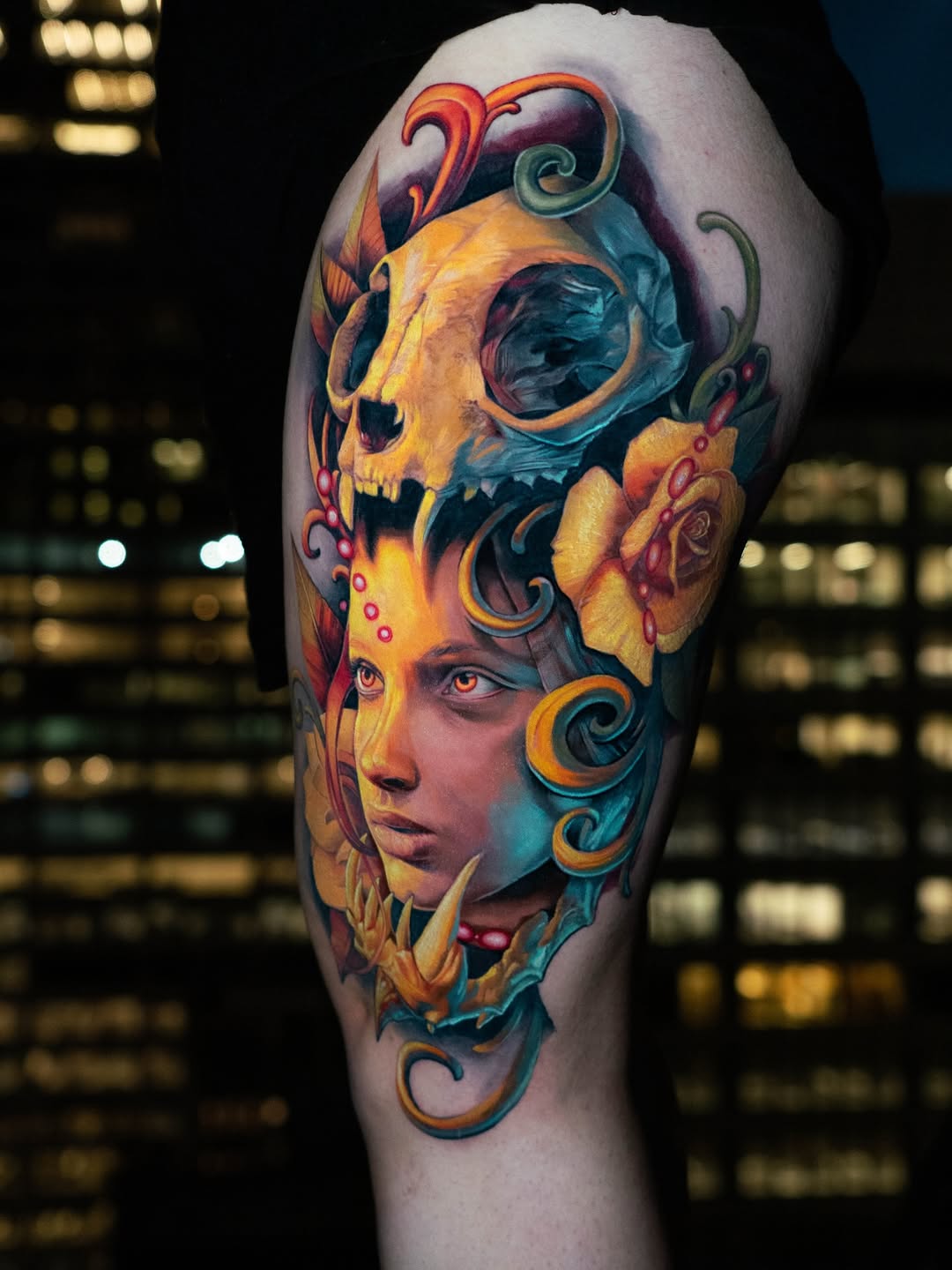
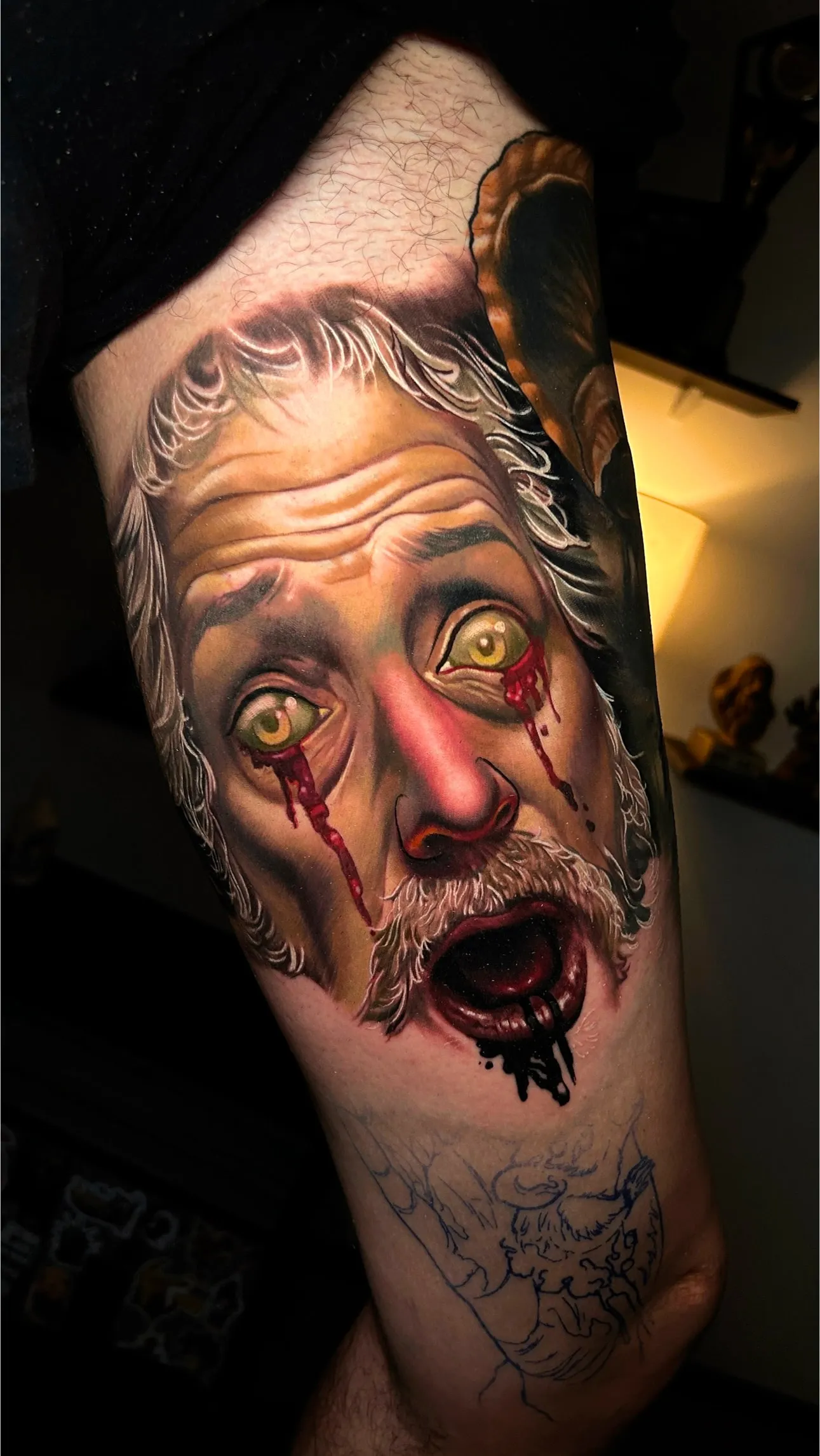
Thigh Tattoos (Men & Women)
- A common question: do thigh tattoos hurt?
- Outer thigh is one of the least painful areas
Thigh tattoos for women are especially popular for larger compositions
Pain level: Low
Bonus: Ideal for realism and shading-heavy work
Back Tattoos (Upper Back)
- Great canvas for large back tattoos for men and back tattoos for women
- Muscle and fat help reduce pain
Pain level: Low to moderate
Best for: Large, detailed back tattoo concepts
Shoulders (Deltoid Area)
- Well-padded with muscle
- Pain increases closer to the collarbone or shoulder joint
Pain level: Low to moderate
Best for: Medium to large tattoos with designs, arm tattoos that wrap naturally from the upper arm
Artist insight: Shoulder tattoos heal well and handle detail better than high-movement areas.
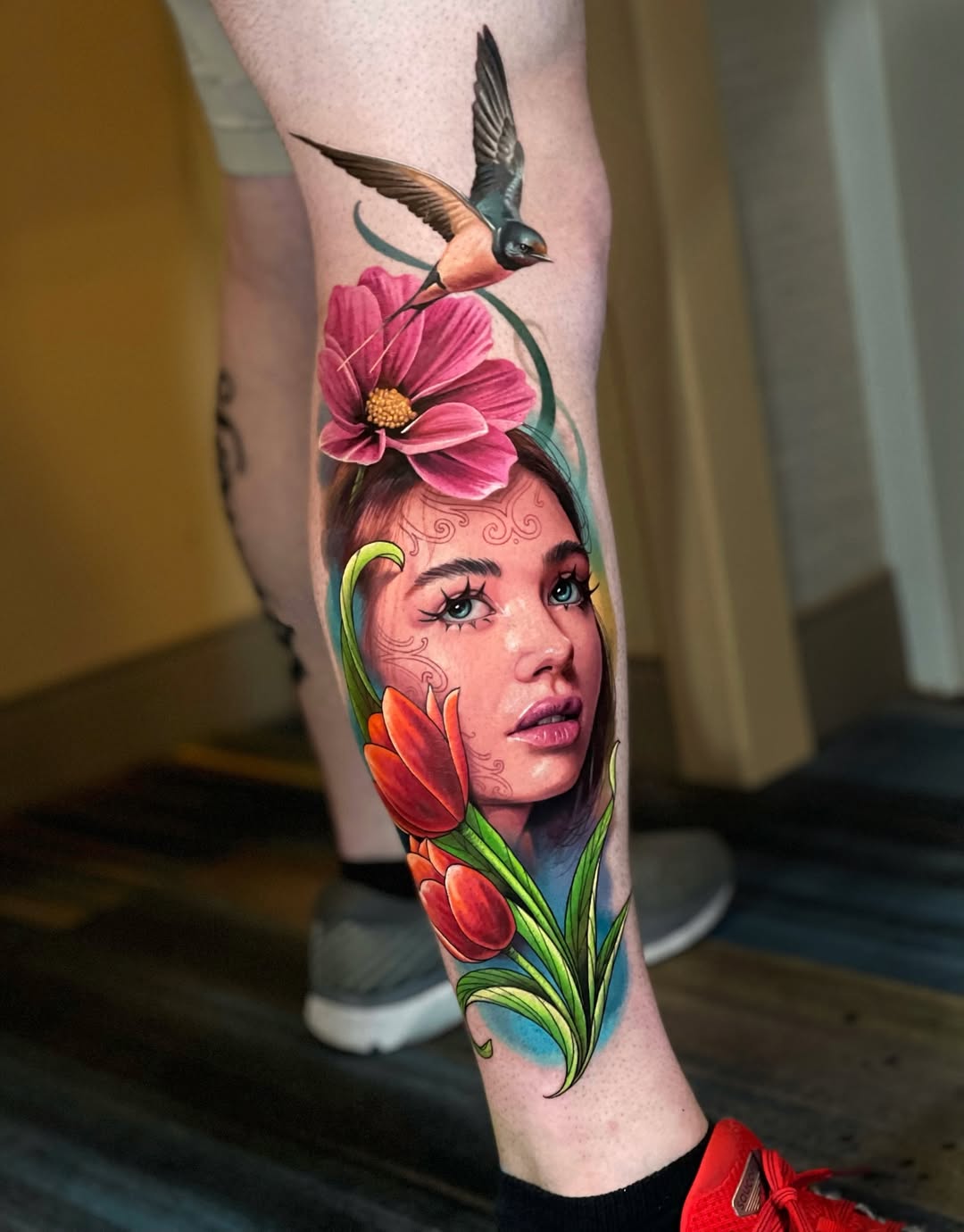
Calf Tattoos
- Thick muscle and fewer nerve endings
- Back of the calf can feel more intense than the outer area
Pain level: Low to moderate
Why they work: Great balance of comfort and space
Popular for: Bold tattoos ideas, script, and realism compositions
Hip Tattoos
- Pain varies greatly depending on placement
- More painful near the hip bone, easier on the fleshy outer hip
Pain level: Moderate
Common choice for: Flowing tattoos with designs that follow body curves
Note: Expect sharper pain if the design moves toward the pelvis or lower abdomen.
Moderate to High Pain Areas (Manageable, But Noticeable)
These areas hurt more but are still very common.
Chest Tattoos & Male Tattoos Chest
- Chest tattoos for men are bold but intense near the sternum
- Muscle helps, but vibration can be uncomfortable
Pain level: Moderate to high
Tip: Expect higher pain near the center of the chest
Wrist Tattoos & Finger Tattoos
- Thin skin, visible veins
- Finger tattoos fade faster and hurt more than expected
Pain level: High
Good for: Minimal tattoos ideas, not long sessions
Neck Tattoos
- Front and sides of the neck tattoo area are very sensitive
- Popular but not beginner-friendly
Pain level: High
Artist note: Best done by experienced artists for safety and longevity
Knee Tattoos
- Very little padding, especially on the kneecap
- Surrounding areas are more tolerable than the center
Pain level: High
Why: Bone proximity and constant movement
Artist advice: Best for experienced clients or smaller designs.
High Pain Areas (For the Brave)
These placements are intense due to bone proximity and nerve concentration.
Spine Tattoos (Men & Women)
- One of the most painful placements
- Spine tattoos for women are popular but challenging
Pain level: Very high
Why: Bone vibration + thin skin
Sternum Tattoo
- Extremely sensitive area
- Sharp, intense sensation throughout
Pain level: Very high
Not recommended for first tattoos
Feet Tattoos
- Thin skin, many nerve endings, minimal fat
- Swelling is common during and after the session
Pain level: Very high
Reality check: Pain is intense, and healing requires strict aftercare
Not ideal for: Long or highly detailed sessions
Hand Tattoos
- Includes palm of the hand, hand tattoo, and knuckle work
- Constant movement and exposure
Pain level: Very high
Reality check: Pain + faster fading
Lip Tattoo
- Rare, extreme placement
- Short session, but intense pain
Pain level: Extreme
Usually avoided unless highly intentional
Tattoo Pain Chart Summary (Quick Reference)
- Least painful areas:
Thigh tattoos, forearm tattoos, upper arm tattoos, shoulders, calves - Moderate pain areas:
Chest tattoos, back tattoos, hip tattoos, wrist tattoos - Most painful areas:
Spine tattoo, sternum tattoo, neck tattoos, hand tattoos, finger tattoos, knee tattoos, feet tattoos, lip tattoo
Common Mistakes People Make About Tattoo Pain
- Choosing placement based on trends, not tolerance
- Underestimating pain in small areas (fingers, wrist)
- Ignoring design complexity. Detailed tattoos increase session length and pain
- Not eating or hydrating before the session
Final Thoughts From Inknation Artists
Pain is temporary, quality is permanent. Choosing the right placement, artist, and design matters more than chasing the “least painful” spot.
Whether you’re considering arm tattoos, back tattoos, chest tattoos, or meaningful tattoos ideas, a professional consultation helps you plan smartly and comfortably.
👉 Book a consultation with Inknation Studio to get honest guidance based on your body, design, and goals.