
Walk into any modern tattoo studio in Manhattan or Los Angeles and chances are, you’ll find someone flipping through a portfolio of work that looks more like a dream than a drawing. That’s the power of the surrealist tattoo. This genre has been gaining steam over the past decade, blending imagination, emotion, and technical mastery into skin-bound masterpieces that often leave viewers both amazed and a little puzzled.
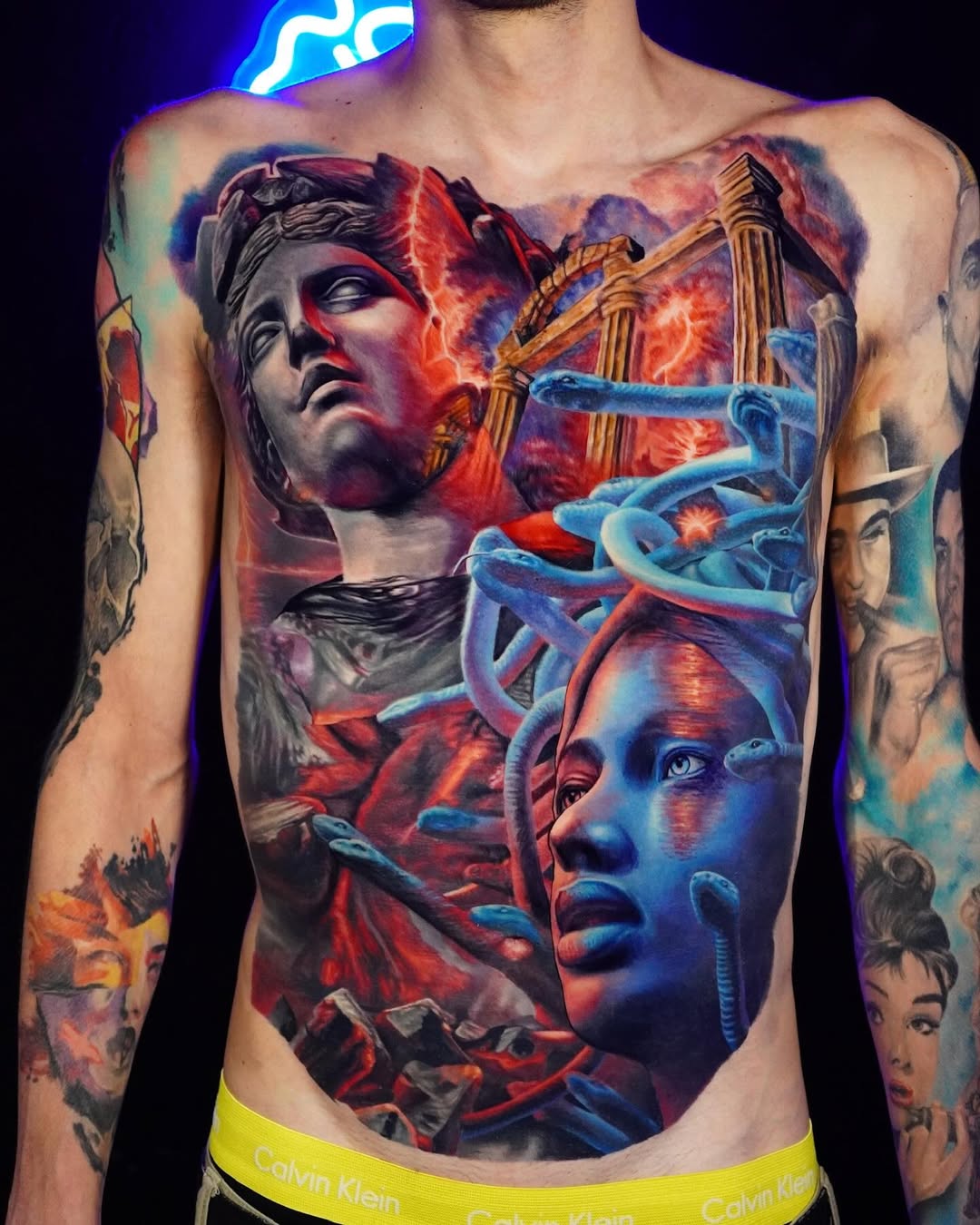
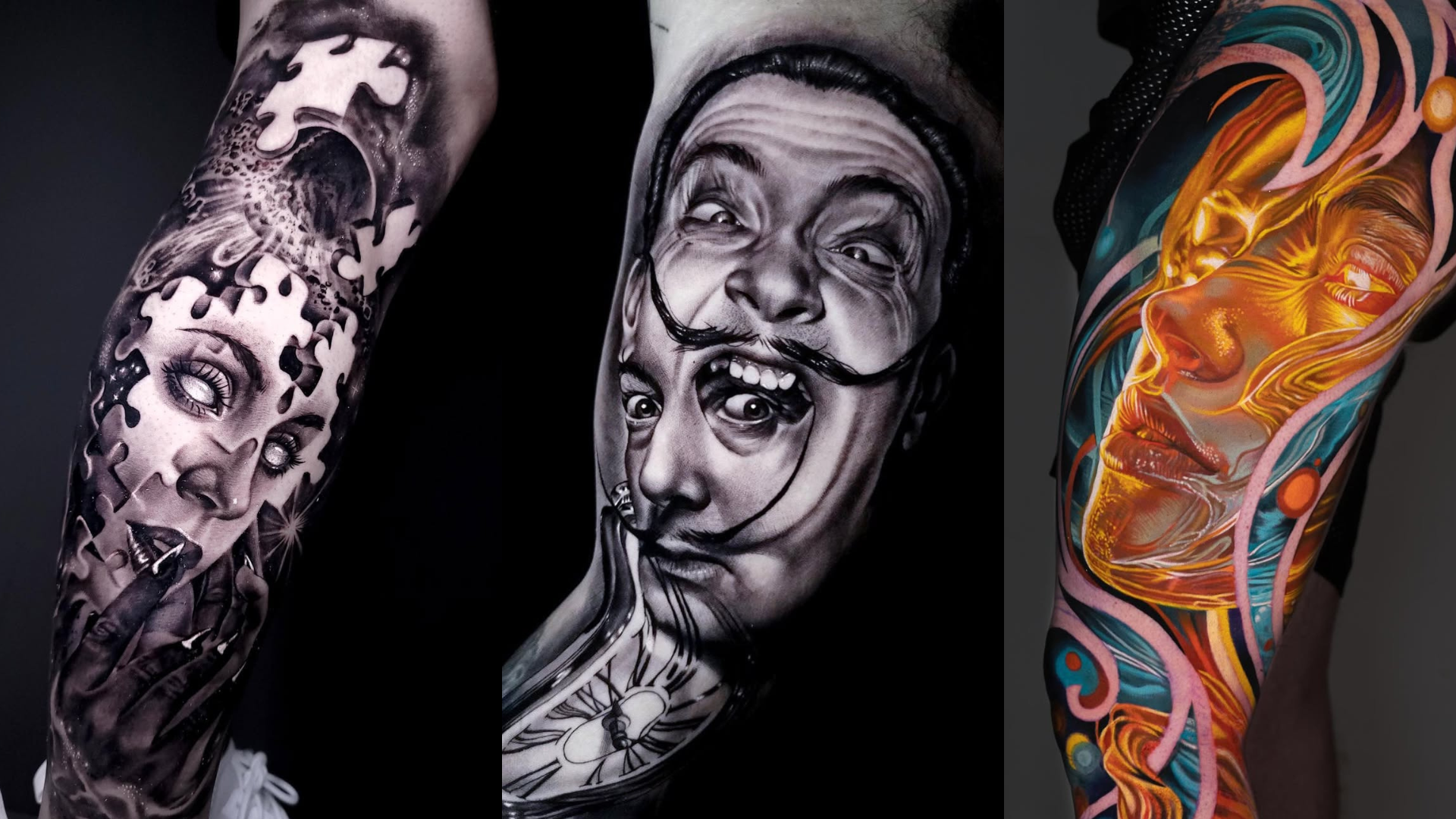
So what makes a tattoo “surrealist”? It goes far beyond just being weird or abstract. A surrealism tattoo taps into the subconscious, the irrational, and the symbolic. Think melting clocks, floating body parts, impossible landscapes, or creatures made of both machinery and bone. Inspired by the art movement that blossomed in the early 20th century through artists like Salvador Dalí and Max Ernst, surrealist tattoos pull from the same dream logic and psychological depth.
While traditional tattoos often rely on clear symbolism or aesthetic beauty, the surealism tattoo meaning is often layered, deeply personal, and open to interpretation. One person might see a surrealist piece as a visual metaphor for grief, while another sees rebirth. That’s part of the magic: surrealist tattoos invite introspection, and they don’t hand you all the answers. They challenge both the artist and the viewer to make sense of the senseless.
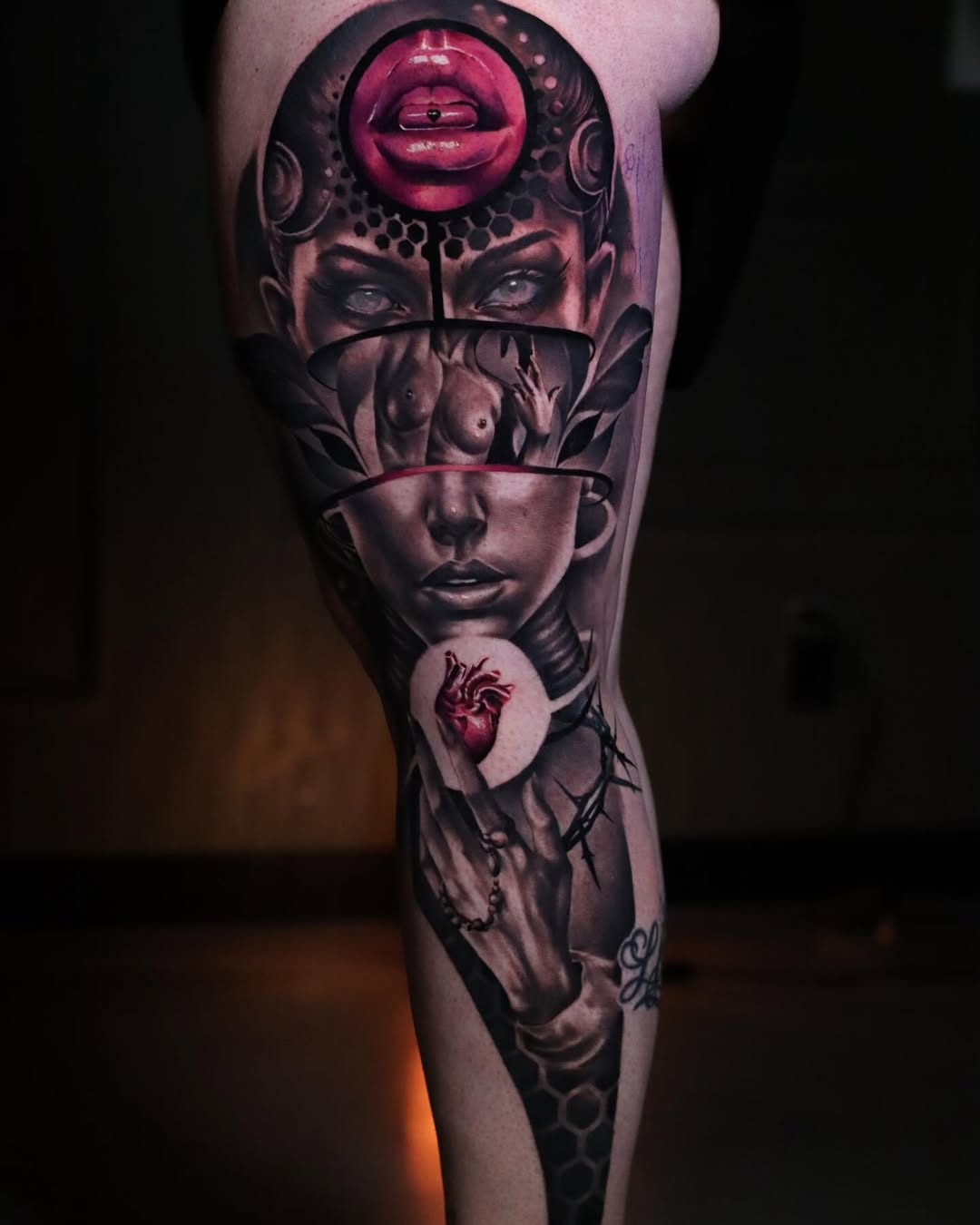
A growing sub-genre within this space is dark surrealism, where shadows take center stage. These tattoos incorporate gothic elements, morbid symbolism, or dystopian imagery. It’s surrealism with an edge, a nod to the darker corners of the human psyche. Think hollow eyes, fragmented skulls, bleeding flowers, or puppets with invisible strings. While unsettling, these tattoos are emotionally gripping and carry enormous psychological weight.
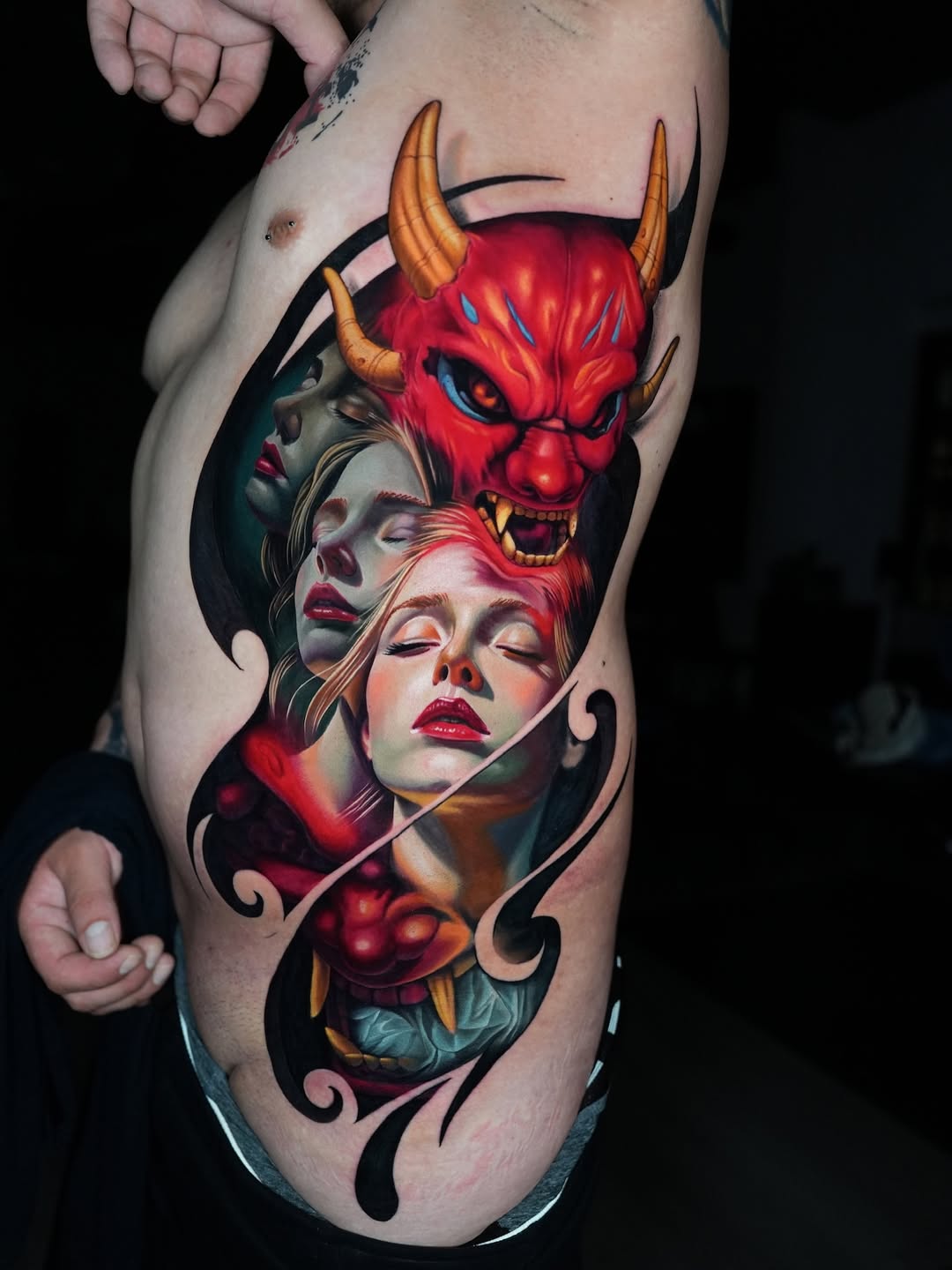
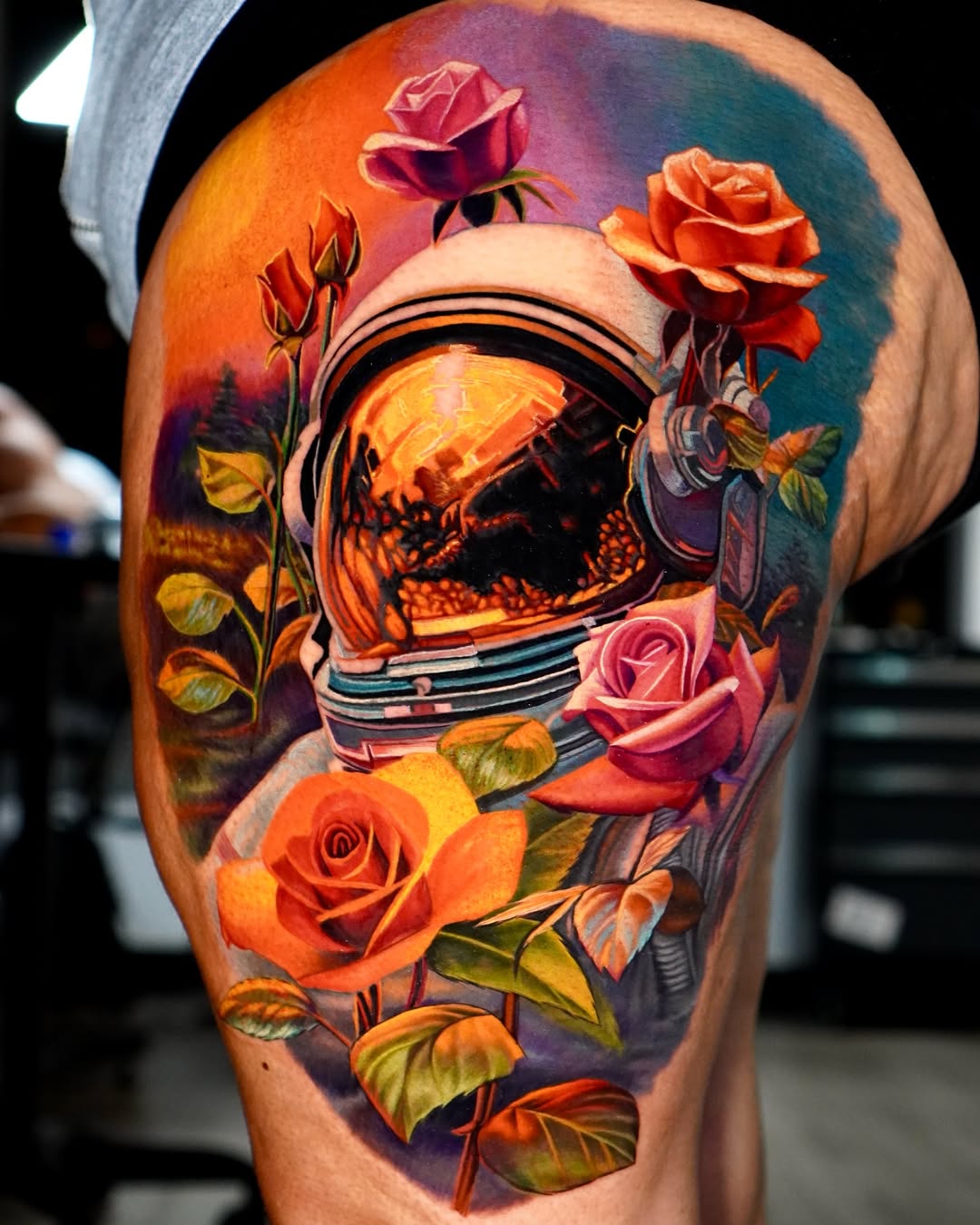
On the other side of the spectrum, we find a burst of color and whimsy in pop surrealism art. These tattoos blend cartoonish charm with surreal oddities. A girl with candy-colored hair crying jellyfish. A melting astronaut floating above a breakfast plate. The lines are clean, the color palette playful, but the message is still deeply strange and often symbolic. This blend of fine art and pop culture has created a space for surrealist expression that appeals to both seasoned collectors and younger, trend-driven clients.
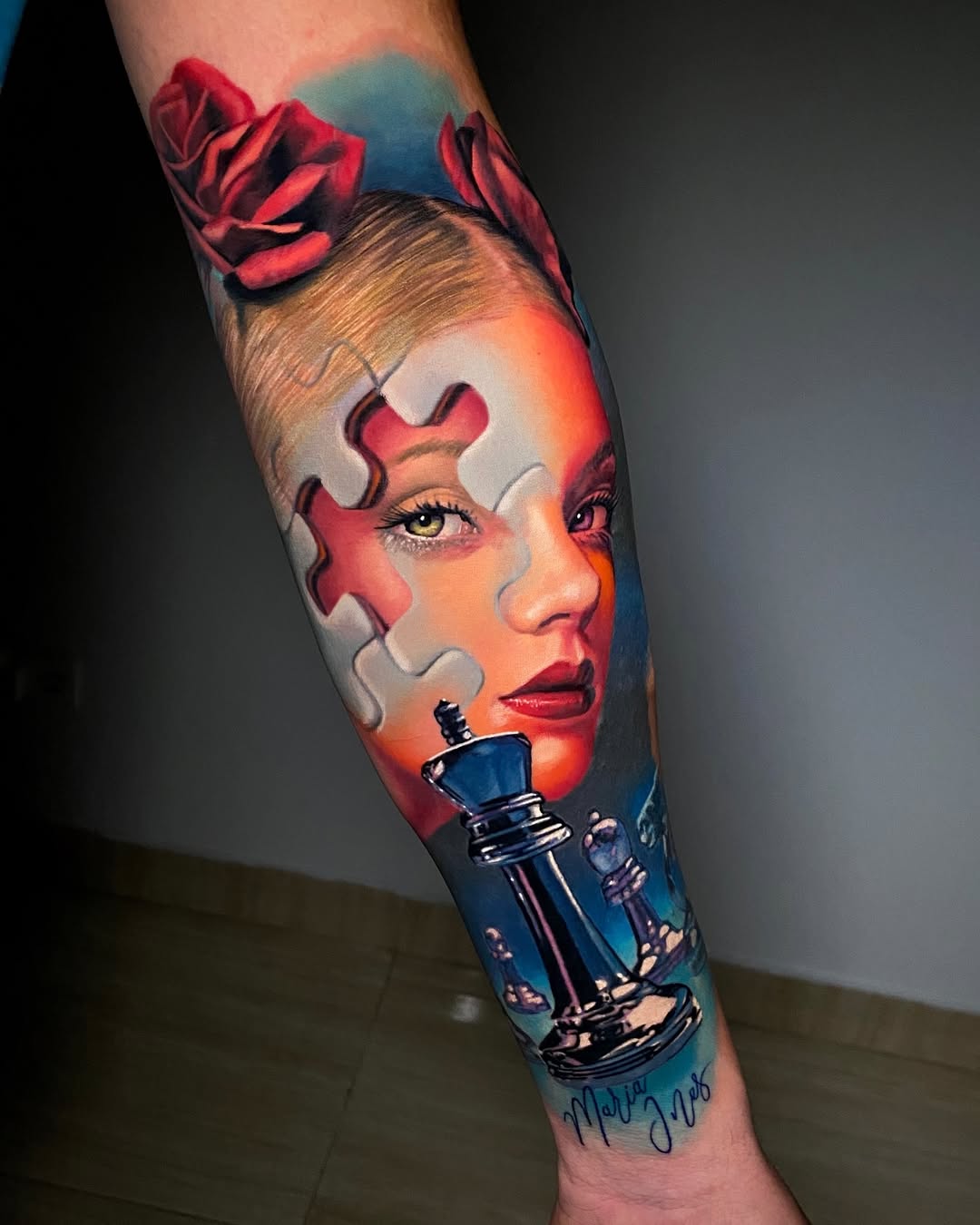
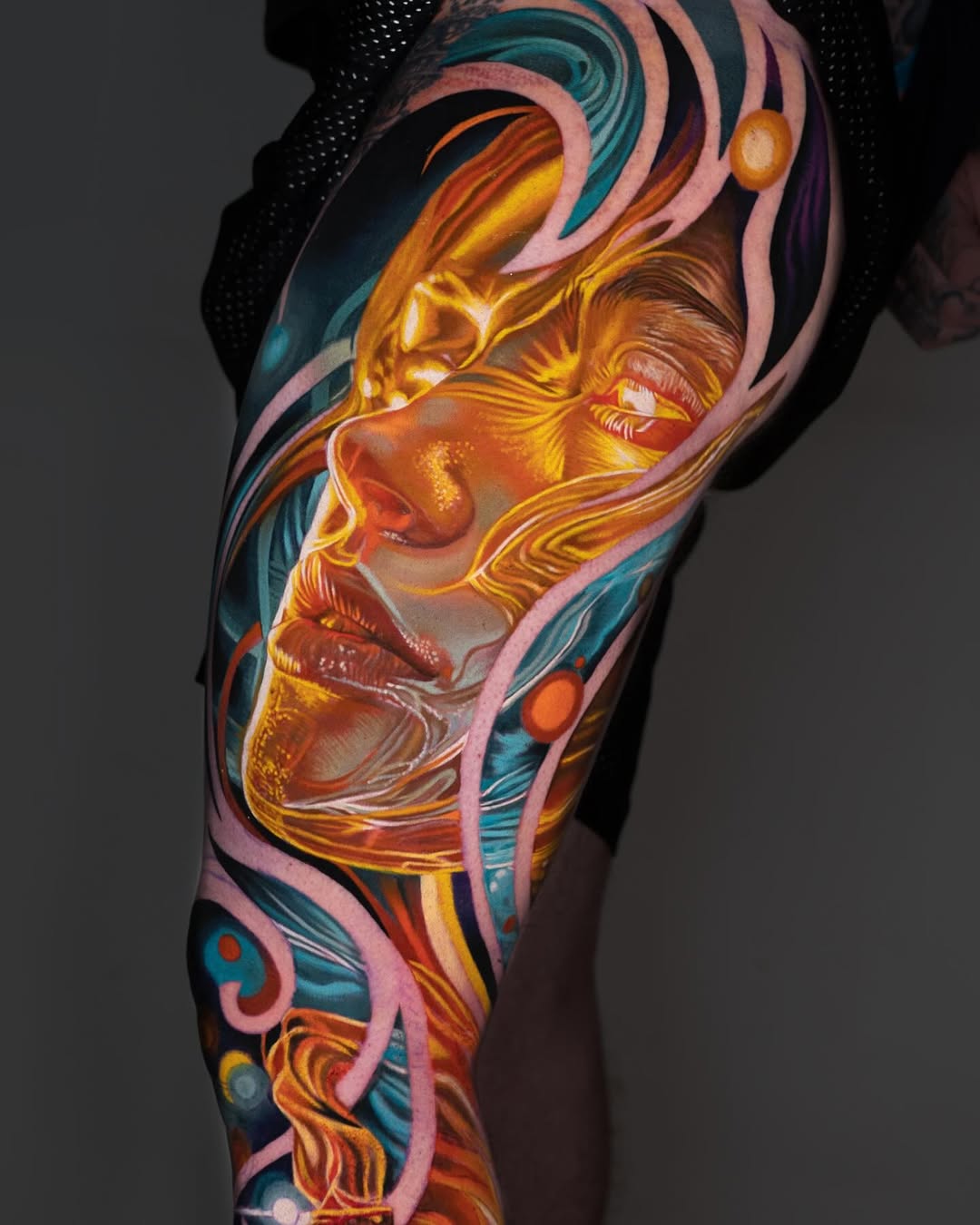
The influence of psychedelic art is also impossible to ignore. In surrealist tattoos, it brings vibrant gradients, fluid forms, and a hallucinatory quality that bends time and space. These designs seem to ripple and move on the skin, borrowing from 60s-era visuals and mind-expanding experiences. It’s surrealism on acid—and it works beautifully when applied with technical skill.
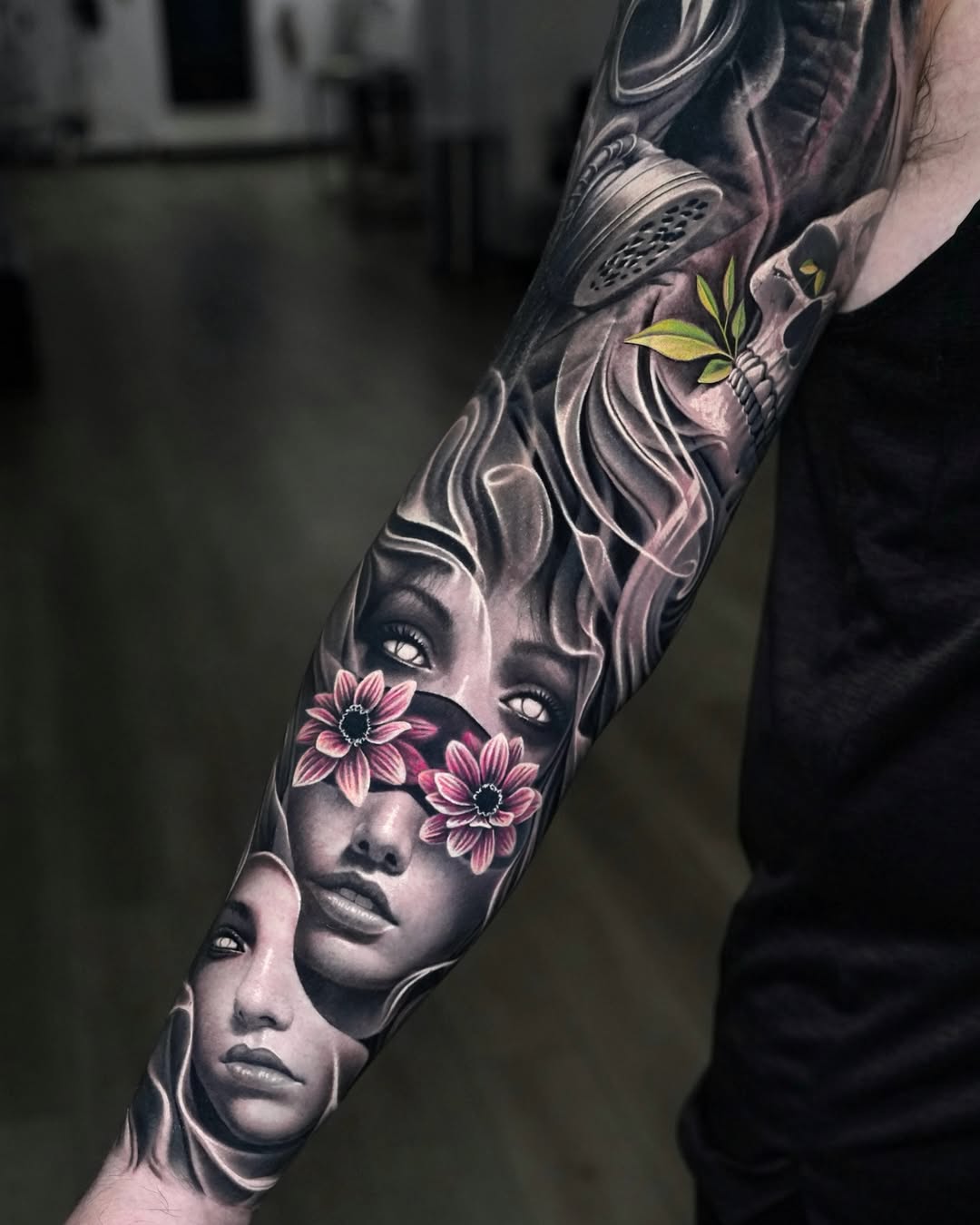
Tattoo artists who specialize in this genre often come from backgrounds in fine arts, digital painting, or even sculpture. The technical side is demanding: many of these designs require ultra-precise shading, dynamic perspective, and the ability to transition seamlessly between contrasting styles. It’s not uncommon for a black work tattoo to serve as the foundation, with heavy black ink framing delicate, surreal details in soft gray wash or bursts of color.
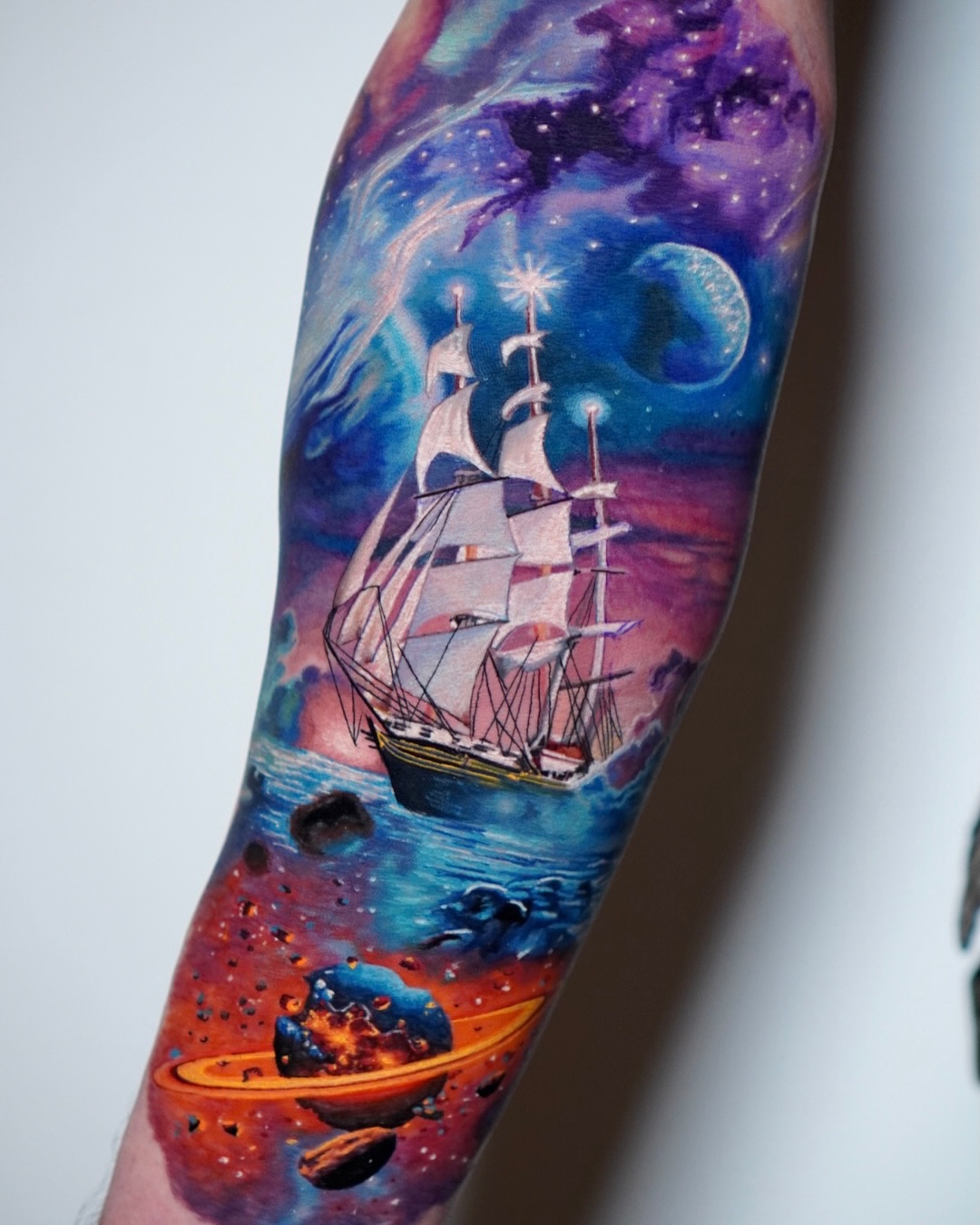
Ultimately, choosing a surrealist tattoo is about embracing the unknown. It’s not about getting something that makes sense to everyone. It’s about getting something that resonates deeply with you, even if it can’t be easily explained. It’s about letting the unconscious speak through imagery. And that’s the beauty of this style: it offers unlimited freedom for self-expression.
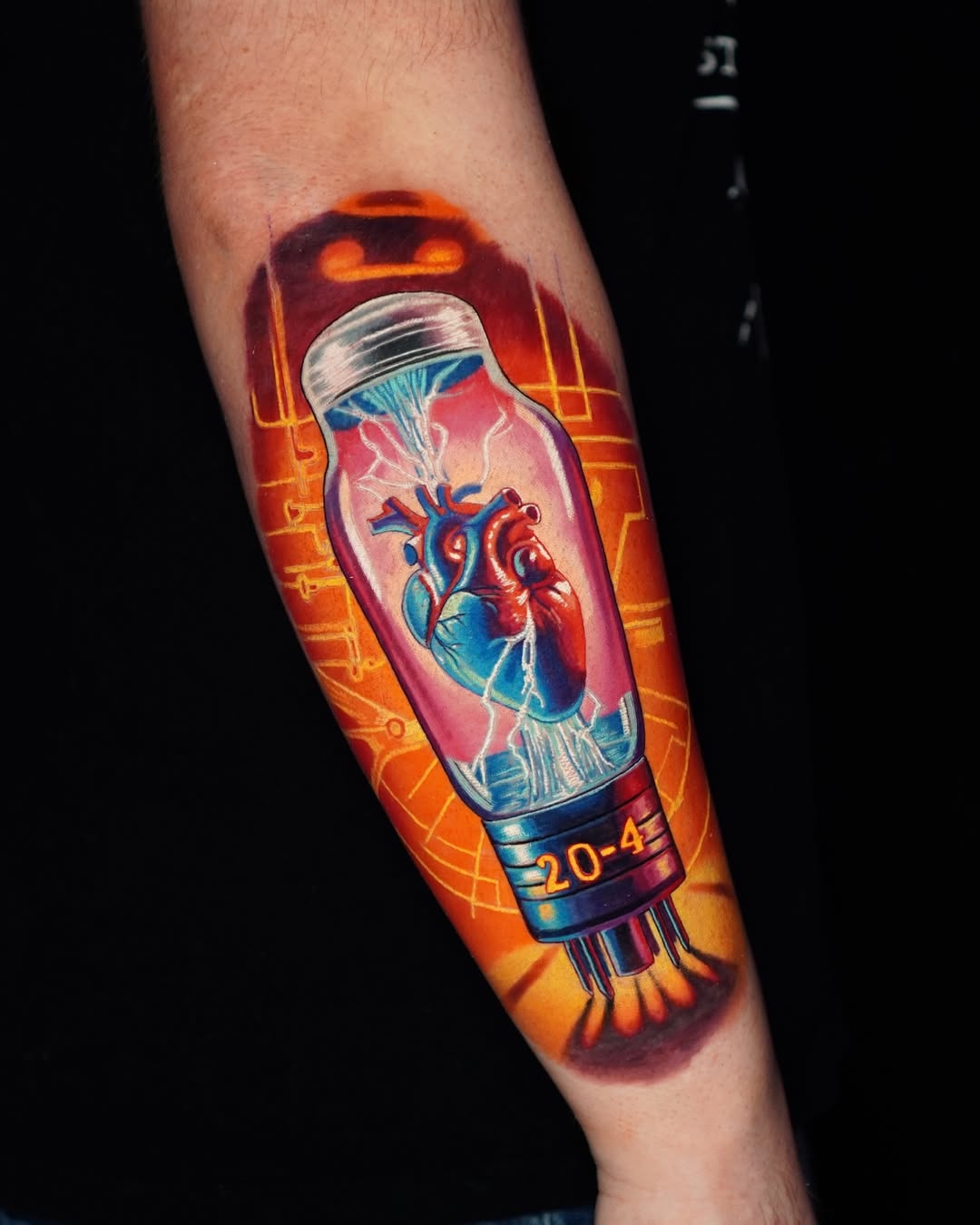
Whether your inspiration comes from dreams, nightmares, or just a fascination with the bizarre, the world of surrealist tattooing has something to offer. With its roots in classic art and its eyes on limitless imagination, it’s one of the most compelling movements in the tattoo world today. And it’s only getting bolder.