
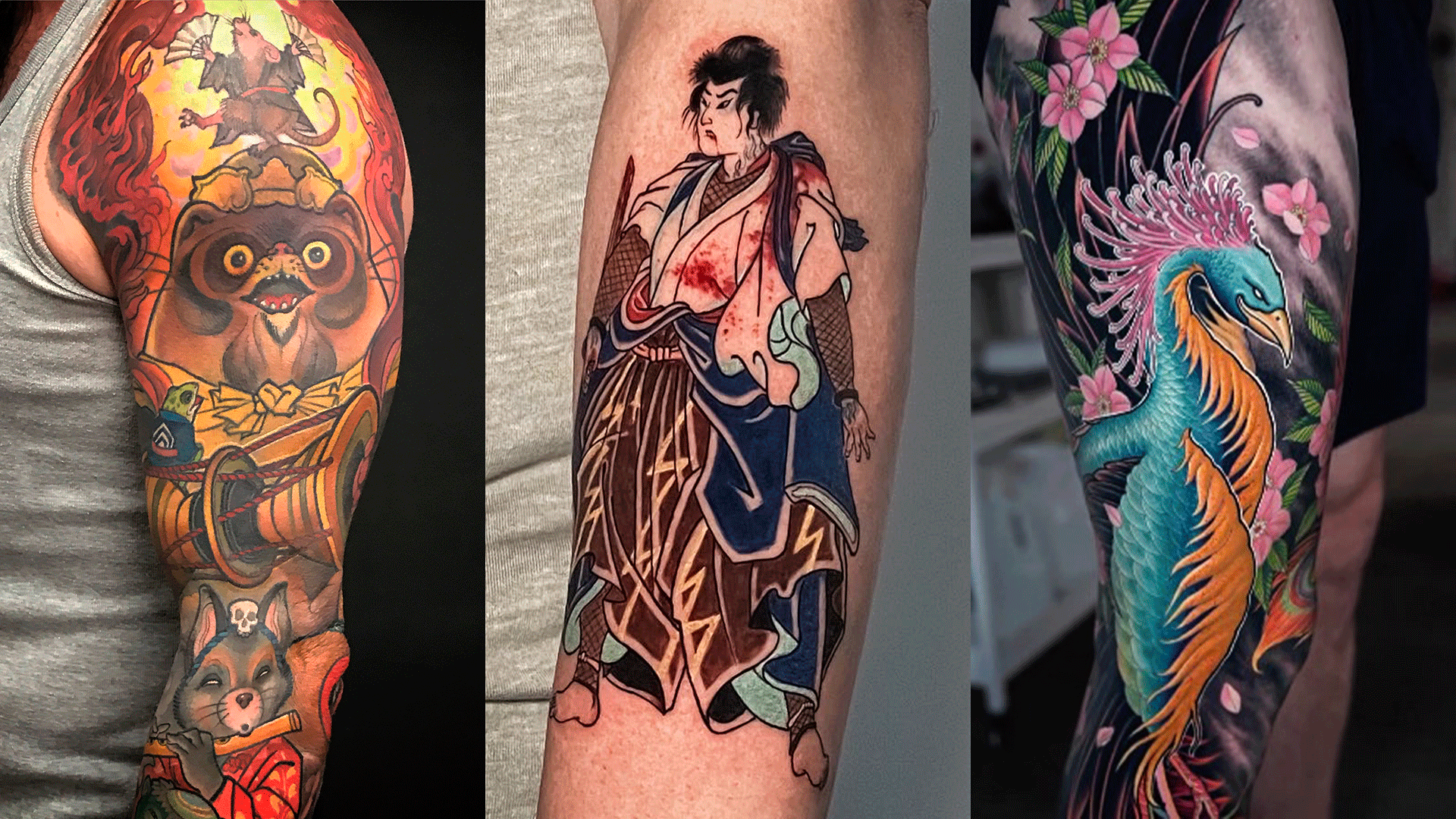

Oriental tattoos, also known as orient tattoos, are a form of body art that is characterized by its vibrant, colorful, and highly symbolic designs. These tattoos originated in the Orient, specifically in China and Japan, and have gained popularity worldwide for their unique beauty and rich history.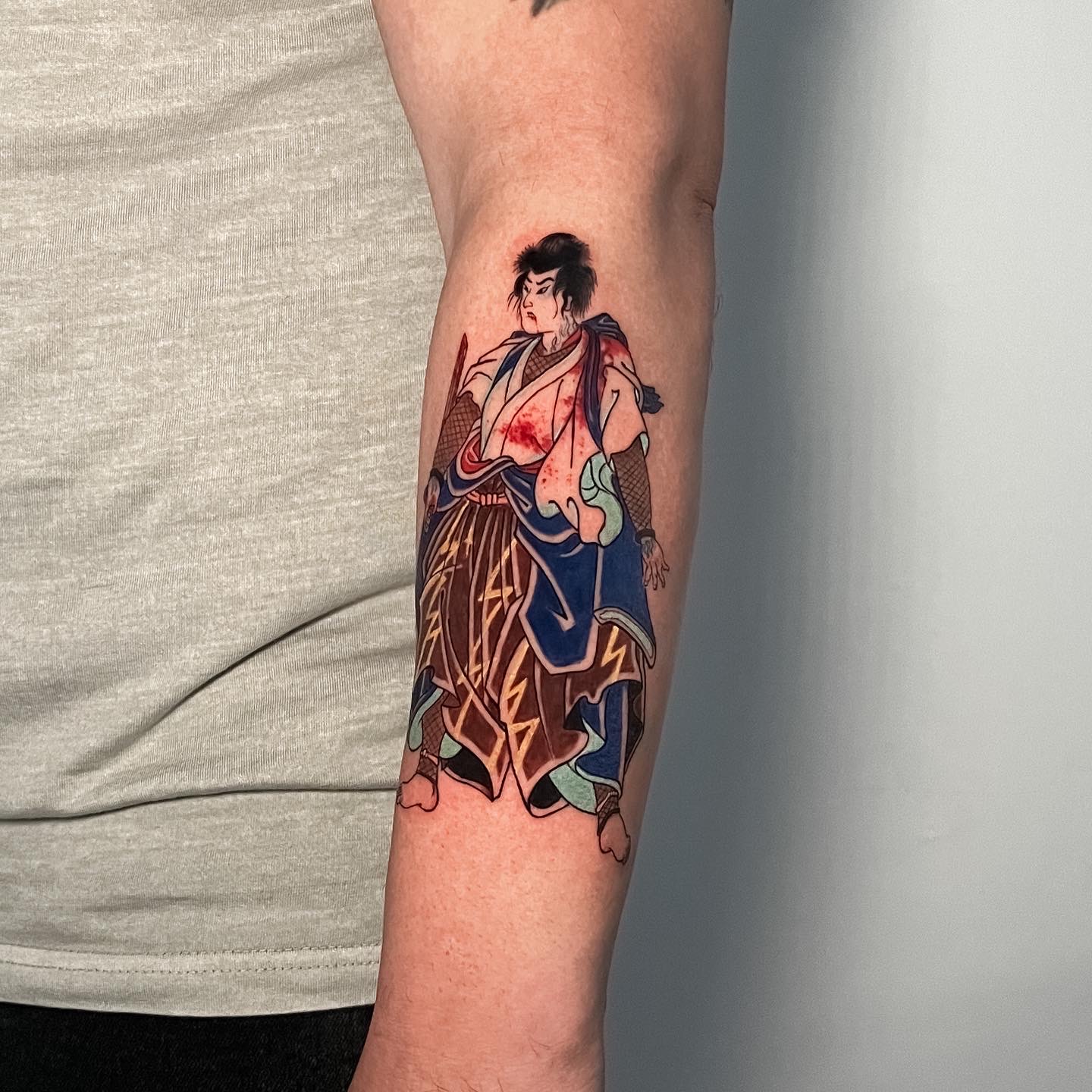
Meaning of Oriental Tattoos:
One of the defining features of Oriental tattoos is their use of imagery and symbolism that is deeply rooted in Eastern culture and philosophy. For example, dragons, koi fish, and cherry blossoms are common motifs in Japanese tattoos, each carrying its own symbolic significance. Dragons represent wisdom, strength, and protection, while koi fish symbolize perseverance and overcoming adversity. Cherry blossoms, on the other hand, are a symbol of beauty, transience, and the fleeting nature of life.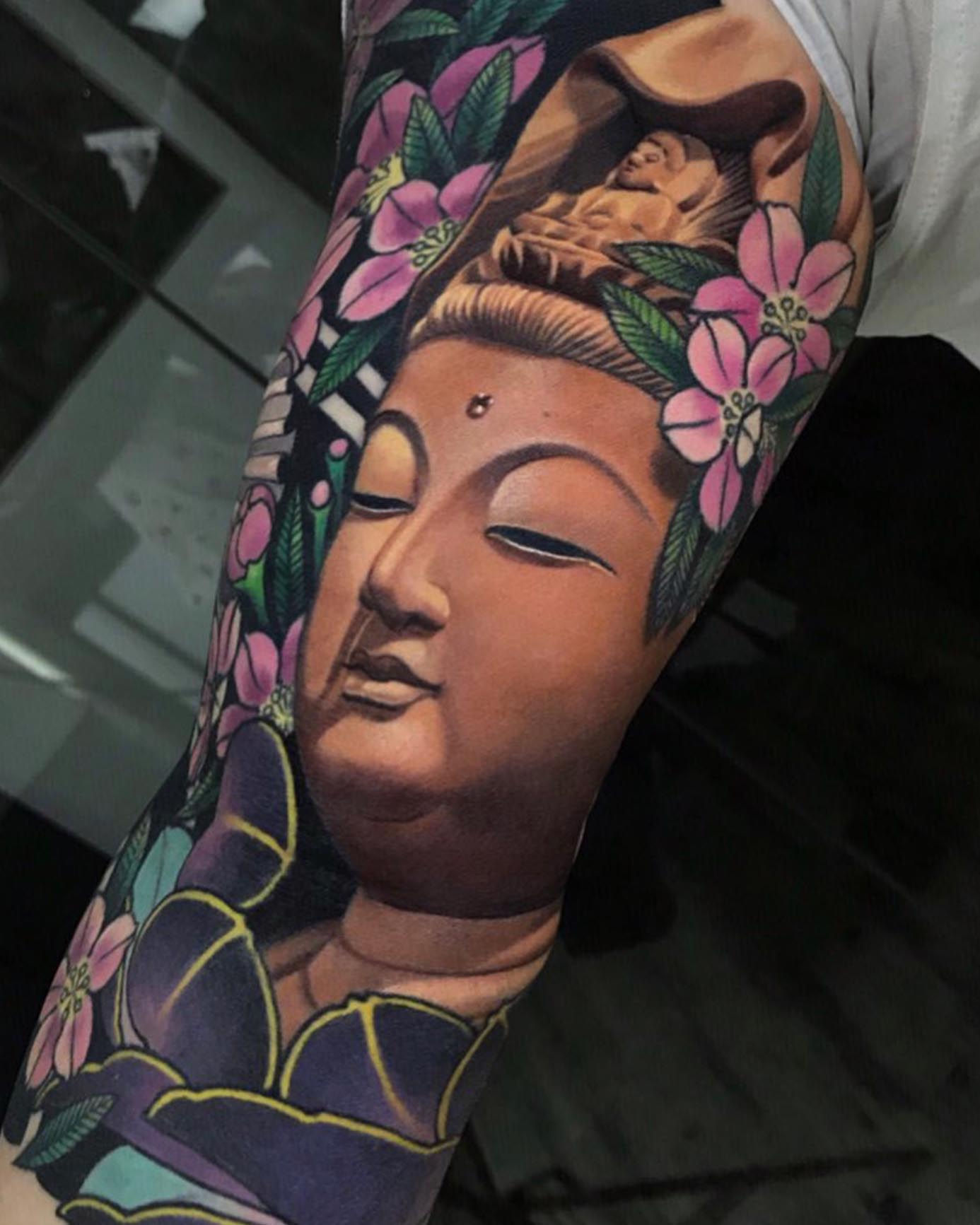 Chinese tattoos, on the other hand, often feature characters from the Chinese alphabet, known as Hanzi. Each character has its own meaning, and when combined, they can create powerful messages or phrases that hold personal significance to the wearer. These tattoos are often chosen for their aesthetic appeal as well as their profound meanings.
The history of Oriental tattooing dates back thousands of years, with evidence of tattooed mummies found in China dating back to the Han Dynasty (206 BC–220 AD). In Japan, tattoos have a long history and were originally used for spiritual and decorative purposes. However, in the Edo period (1603–1868), tattoos were used to mark criminals as a form of punishment, leading to a negative stigma surrounding tattoos in Japanese society. 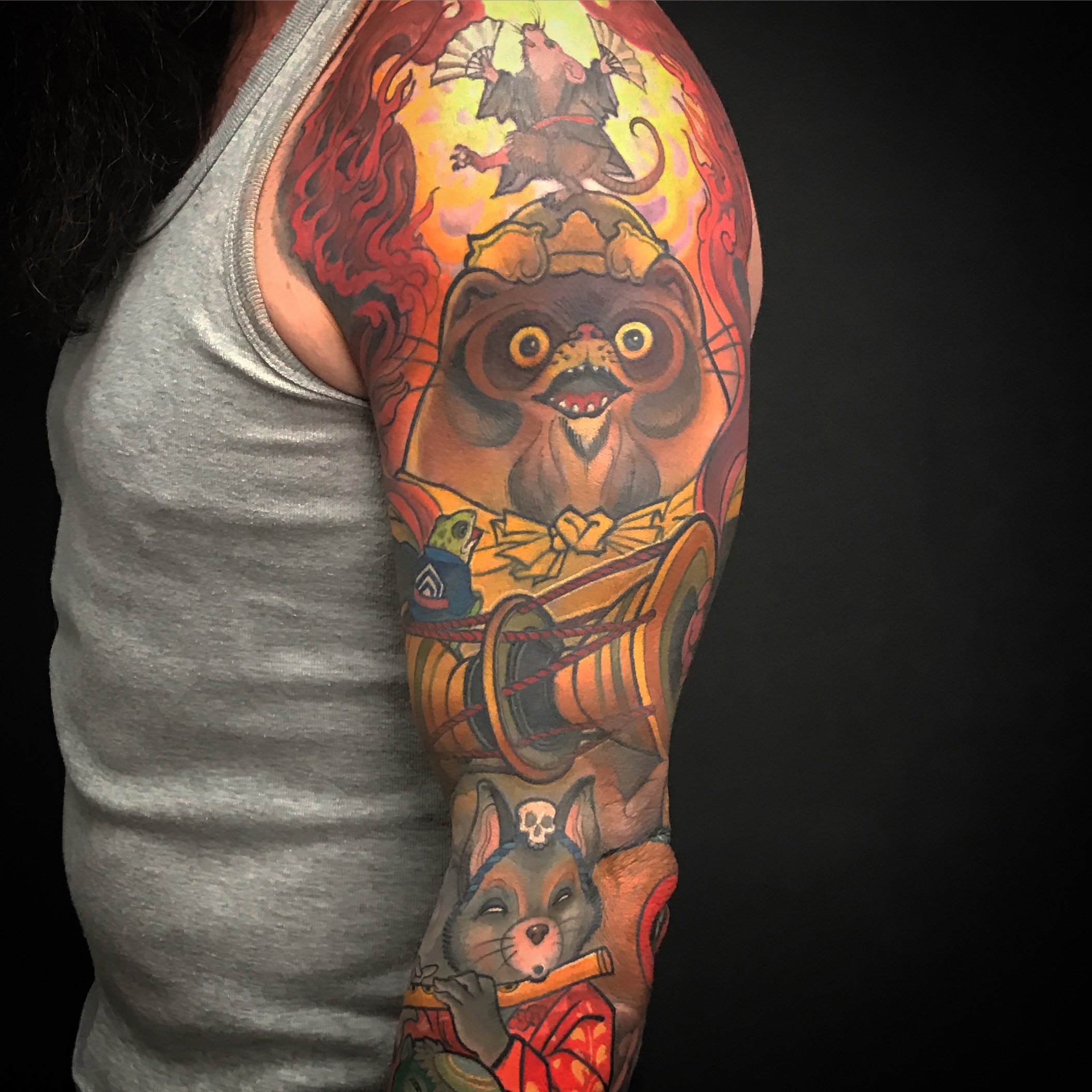
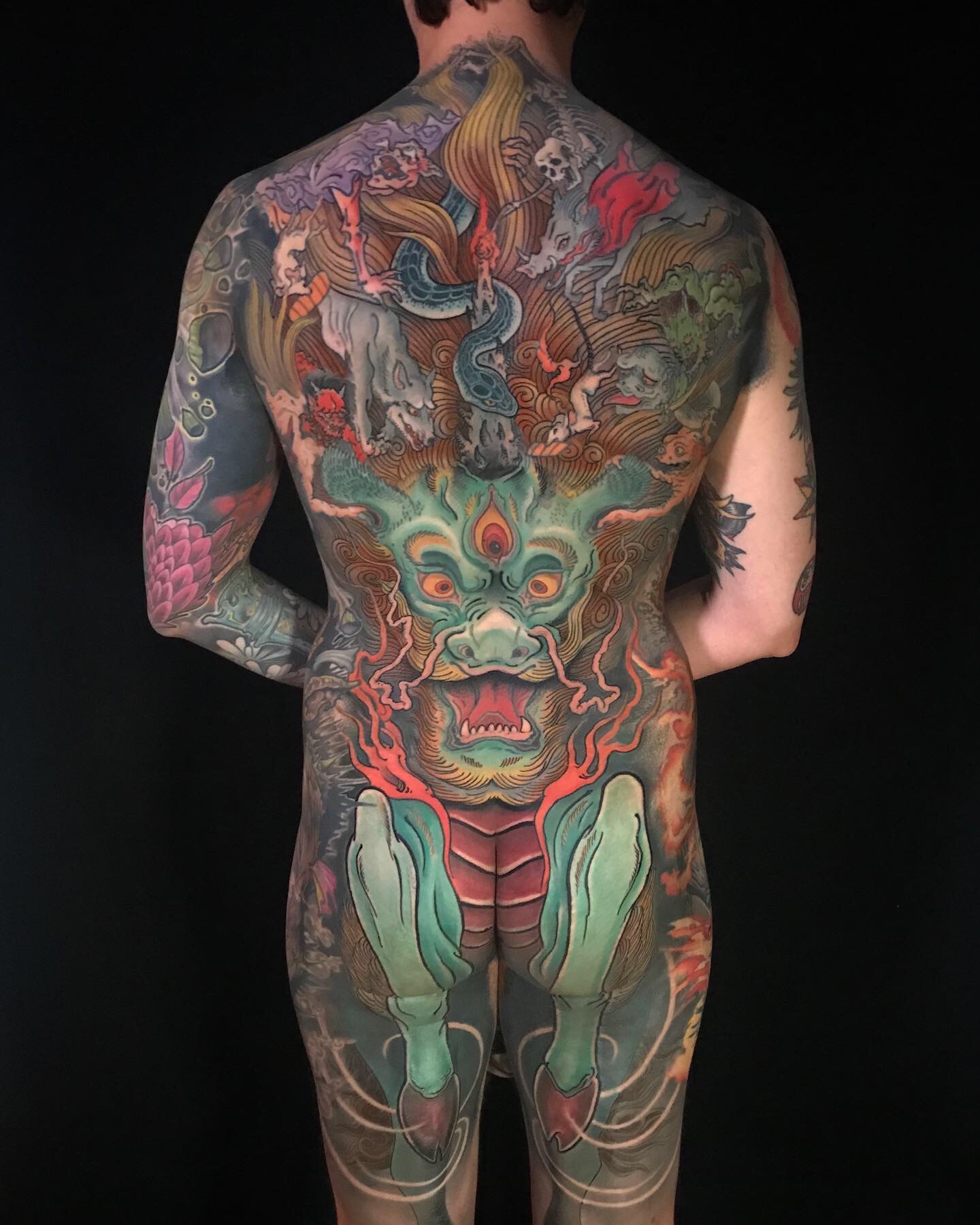
In recent years, Oriental Tatto style have evolved significantly, particularly through fusion with Western tattoo styles. This fusion has resulted in unique and innovative oriental tattoo designs that blend the traditional elements of Oriental tattoos with modern techniques and themes. For example, artists may combine the bold lines and vibrant colors of traditional Japanese tattoos with the realism and shading techniques of Western tattoos to create a truly stunning and unique piece of art.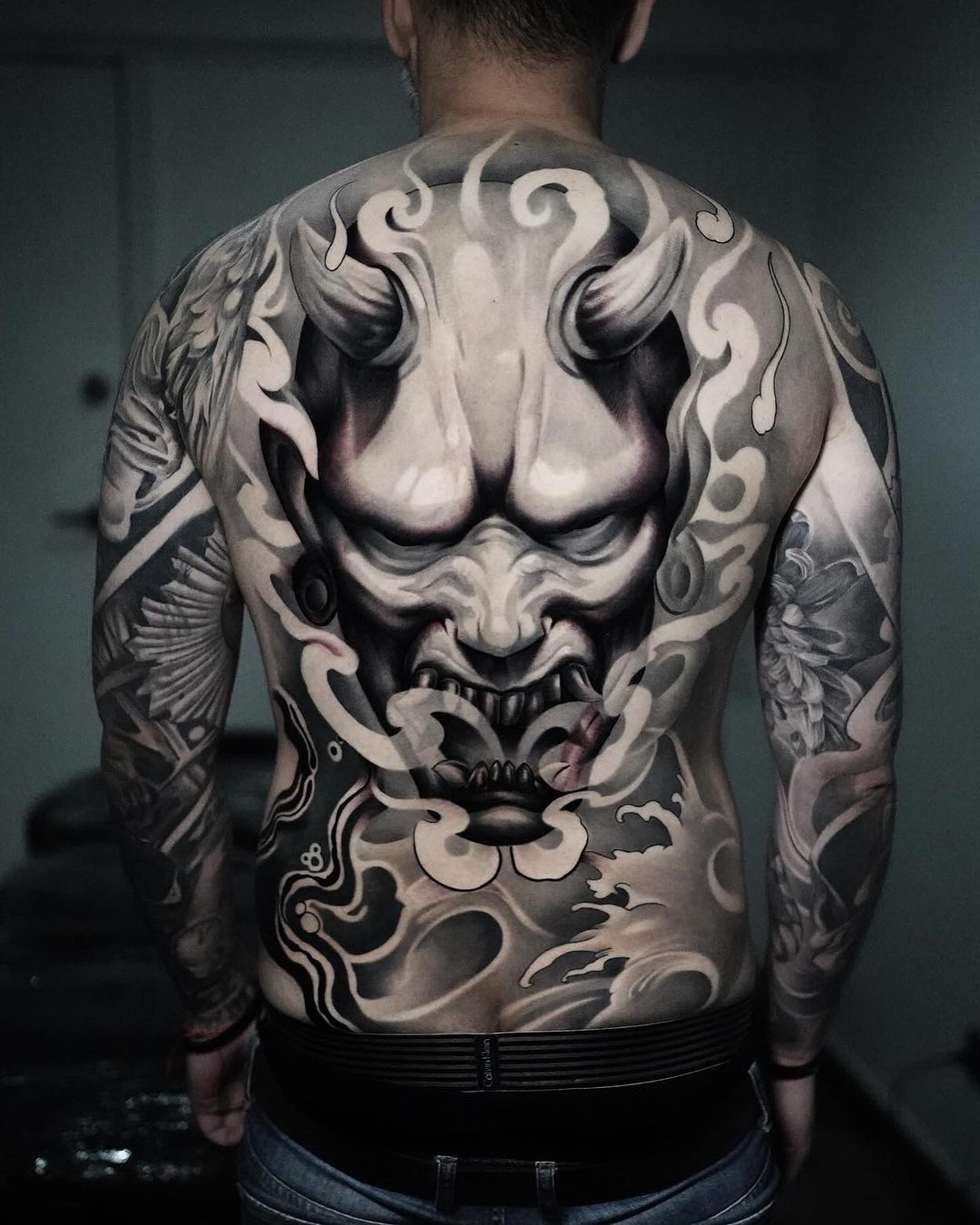
One of the key differences between Chinese and Japanese tattoos lies in their artistic styles and symbolic meanings. Chinese tattoos tend to be more abstract and symbolic, often featuring calligraphy or stylized images that convey deep philosophical or spiritual concepts. Japanese tattoos, on the other hand, are known for their intricate detail and storytelling elements, often depicting scenes from Japanese mythology or folklore. 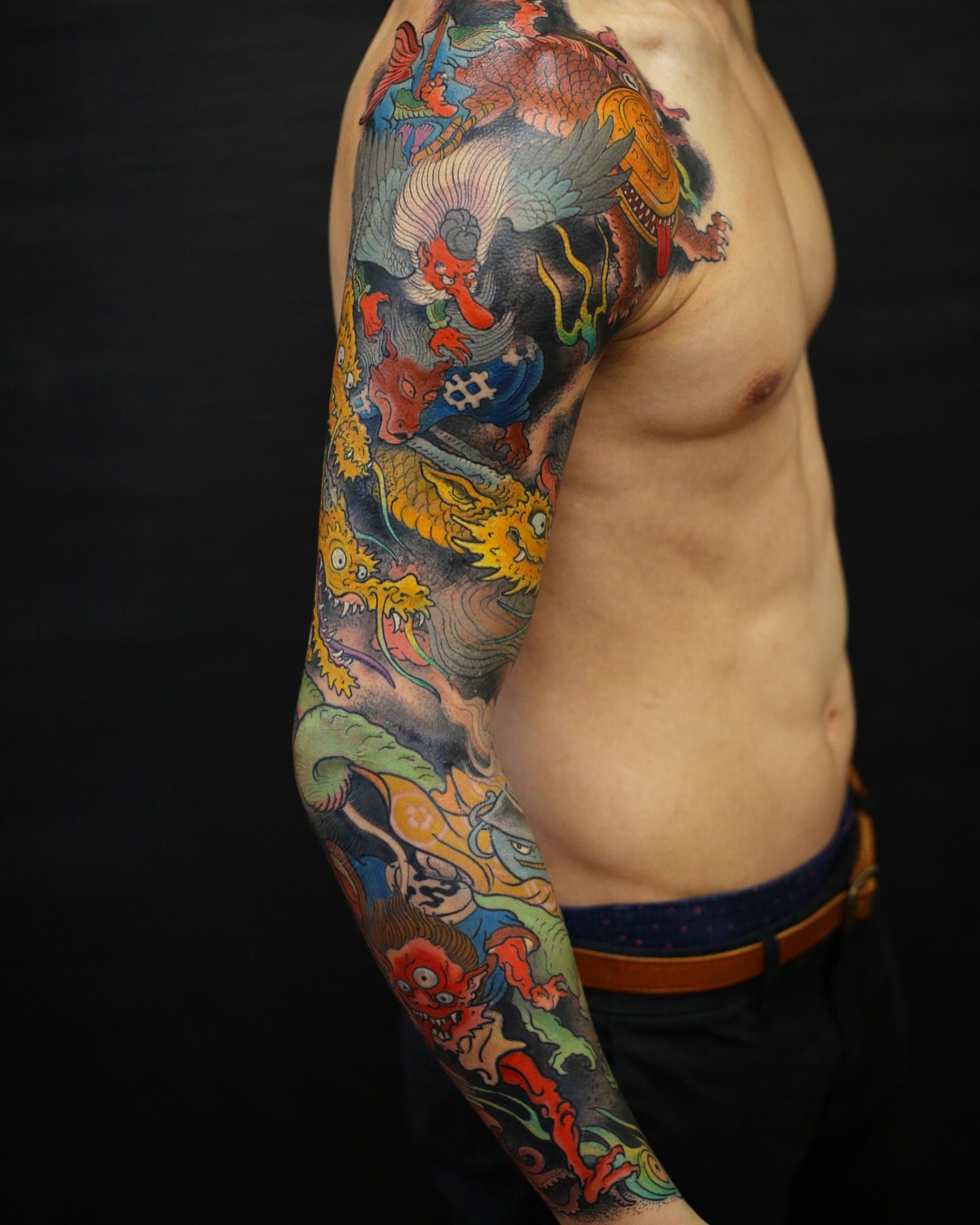
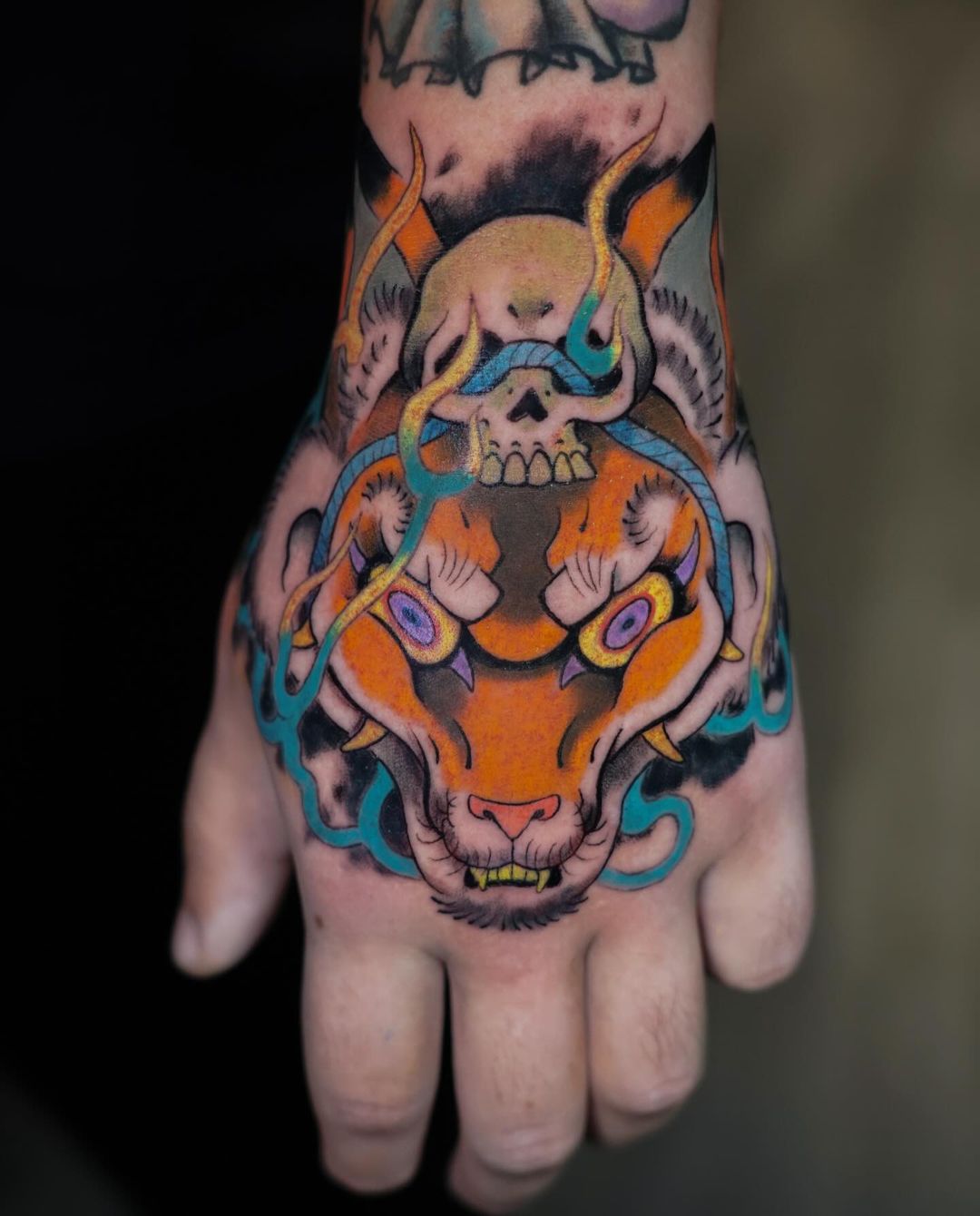
In conclusion, Oriental style tattoos are a beautiful and meaningful form of body art that has a rich history and deep cultural significance. Whether you’re drawn to the intricate designs of Japanese tattoos or the symbolic meanings, Oriental tattoos offer a unique way to express yourself and honor the rich traditions of Eastern culture.